
A landscape can tell us much more than what we see when we first look at it. A mountain is not only its peaks, a forest is not simply a collection of trees in the same way that a village is not just a collection of buildings. Each place has its own combination of nature, history, people, traditions and everyday life and it is often the relationship between these elements that gives a destination its unique identity.
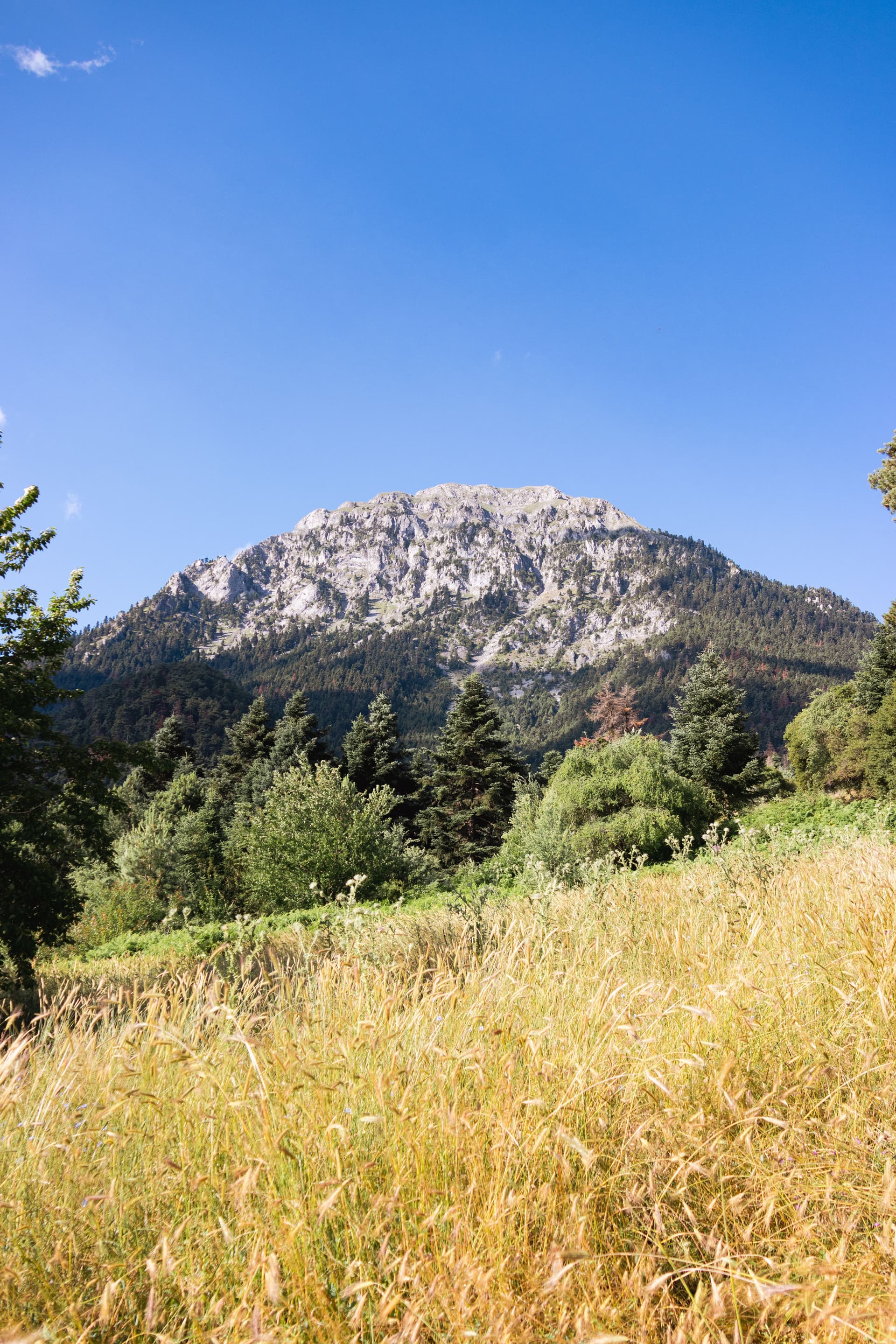
Mount Olympus is perhaps one of the clearest examples of this. For centuries, the mountain has existed somewhere between the natural and the mythical. The ancient Greeks imagined it as the home of the twelve Olympian gods, while today it is recognised for its exceptional natural and cultural significance. In July 2026, the wider area of Mount Olympus was inscribed on the UNESCO World Heritage List, recognising both its cultural associations and its remarkable biodiversity. But there is yet another way to understand Olympus, and it begins at its foothills in the nearby village of Litochoro.
Where the mountain meets everyday life
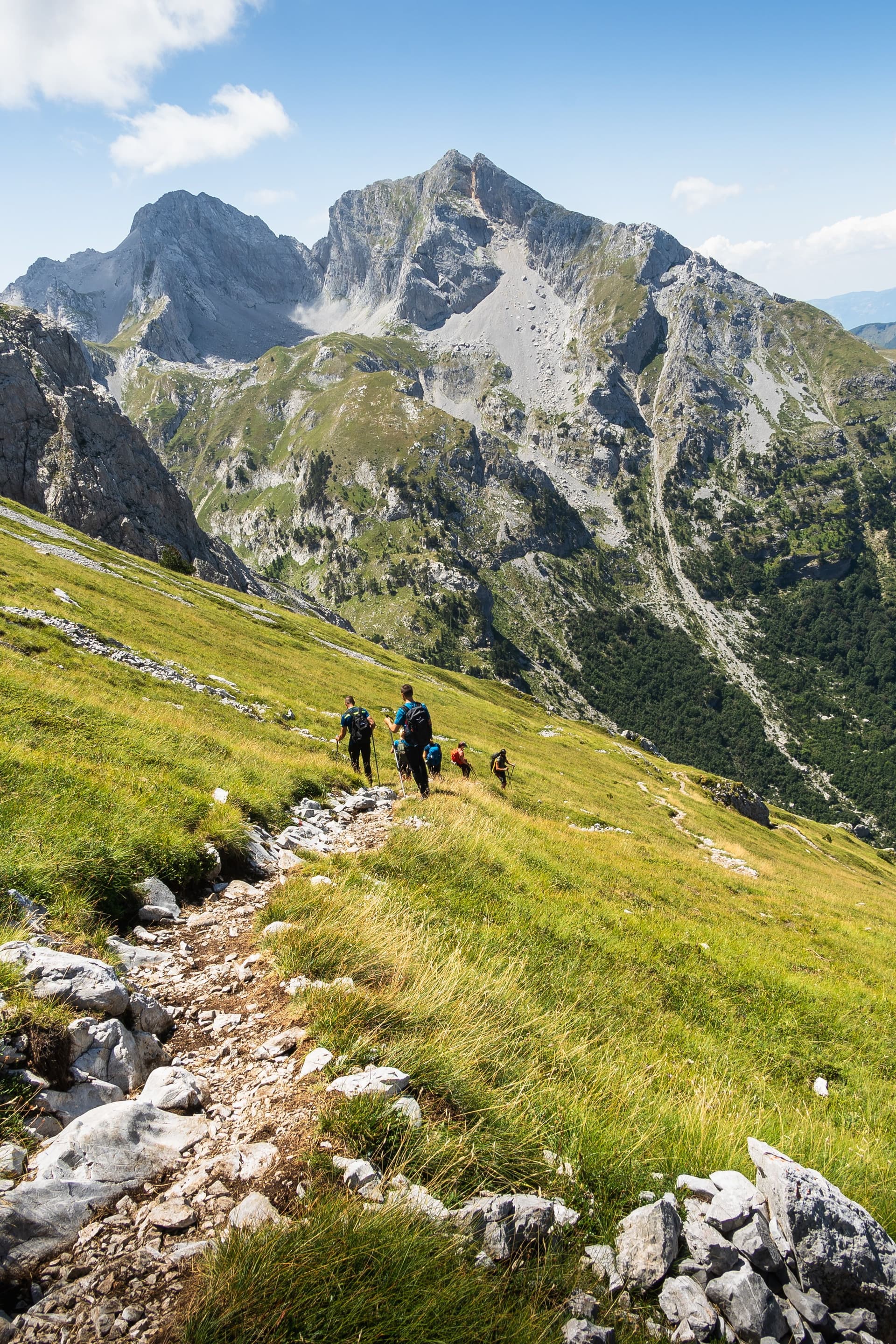
Litochoro is often described as the gateway to Mount Olympus, but this description can make the village sound like little more than a starting point for a hike. In reality, Litochoro has its own character and history, and its relationship with the mountain is part of what makes the wider destination interesting. From here, visitors can enter the mountain through routes such as the E4 trail, which crosses the Enipeas Gorge, passing through dense vegetation, waterfalls and dramatic rock formations. The area also connects visitors with places such as the Cave of Saint Dionysius and the historic monastery dating from the 15th century.
At the same time, Litochoro carries stories that belong to the history of the surrounding region rather than only to the mythology of Olympus. Its connection with the 1878 Revolution of Olympus, its geological heritage and its position between the inhabited landscape and the mountain itself give the village a role that goes beyond being a convenient base for hikers. What you can find in the village before embarking on a refreshing hike in nature is multiple shops with local products, cute cafes and traditional restaurants (the so called tavernas), where you can enjoy traditional tastes with your friends. This is exactly the kind of relationship that interests us at ExperienZ.
Trying to connect the dots of a place
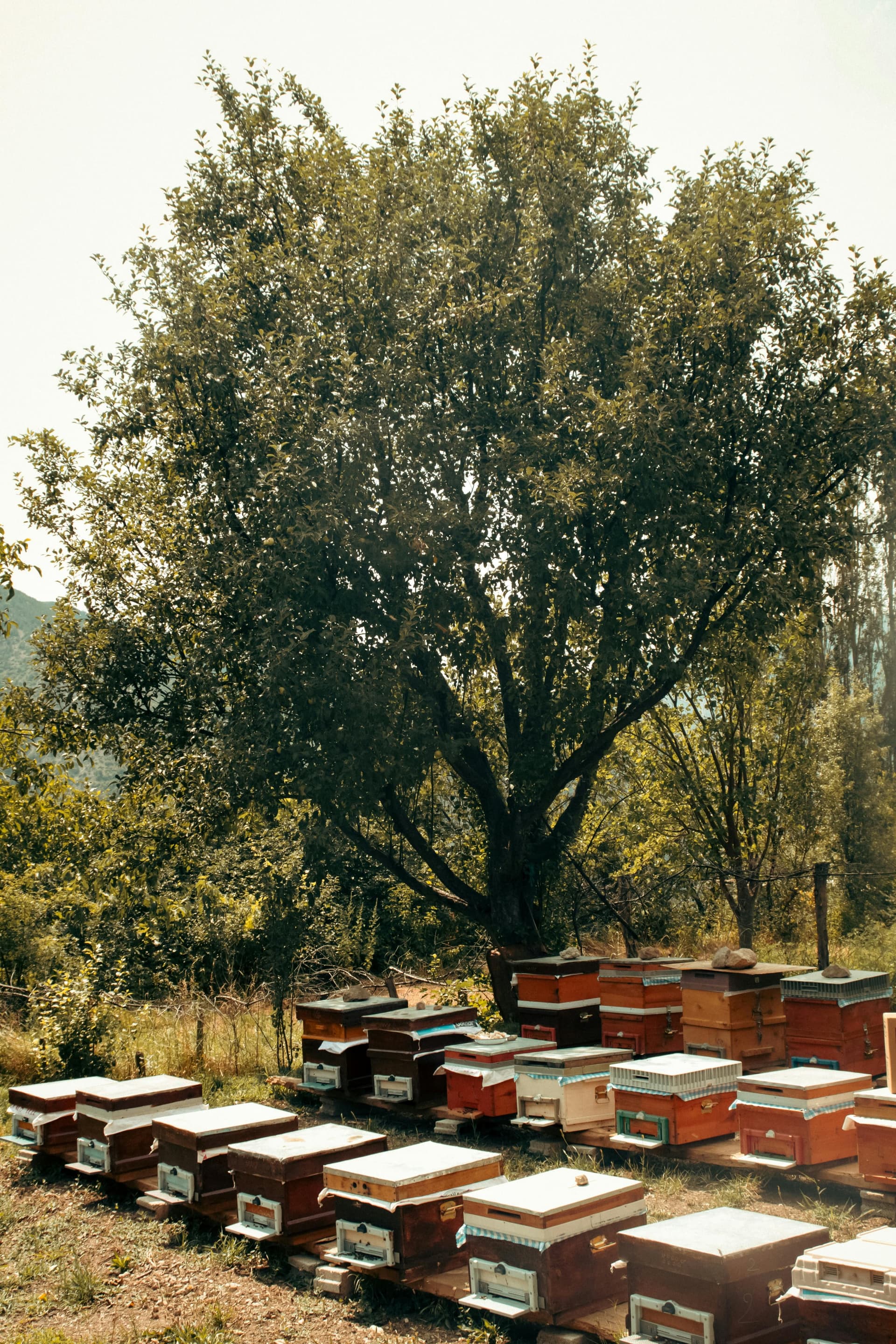
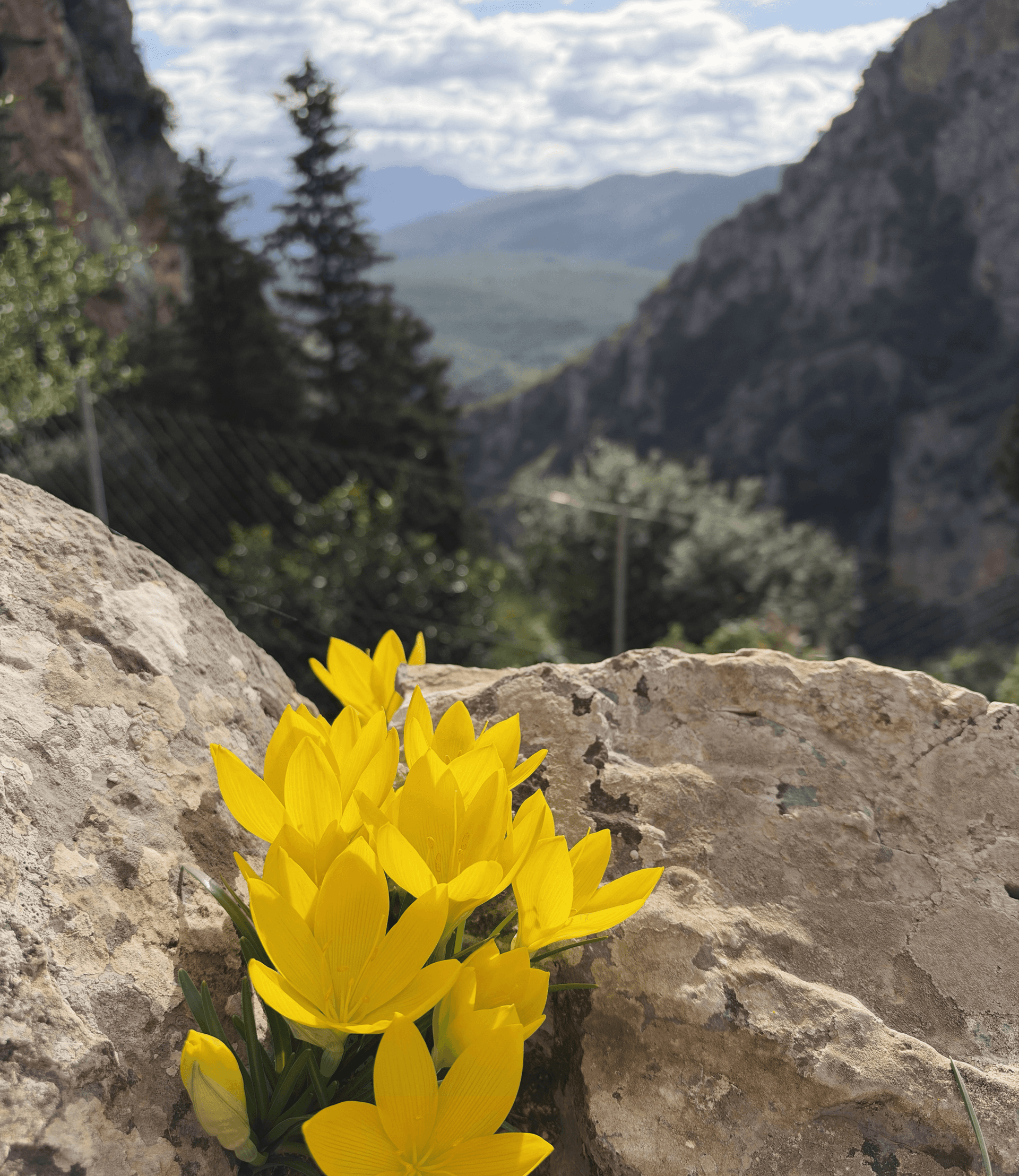
When we first started thinking about how to develop memorable experiences around Olympus, we were not looking for another way to simply show visitors the mountain through a hiking activity. We were interested in what could happen if we started connecting some of the things that were already there, but not so “seen” from an average hiker. A designated mountain route is not always connected with a story about it in the first place and that is the point where people with different pieces of knowledge and experiences from different domains can provide us with diverse perspectives on that same place they live or work in. A story about local honey could lead to a local beekeeper, who could help explain something about the landscape. A small little flower could introduce visitors to the biodiversity of Olympus, while the product made from it could open a conversation about local traditions and livelihoods. The challenge, for us as a team, is to find these exact connections and turn them into experiences that feel natural rather than constructed “educational sessions”.
This is also where our different backgrounds come together. ExperienZ brings together experience in tourism, travel technologies and software, destination development and digital marketing. Therefore, we are trying to approach Olympus from different perspectives, but with the same question: how can we help visitors experience a destination in a way that creates a stronger connection with the place and the people who live there deviating from mass commercial options?
Following the nectar though the Beehives
The idea for the Nectar Trail emerged from this way of looking at Olympus. Bees offer a particularly interesting way of connecting many of these layers because their movement through the landscape is closely linked to its vegetation, seasons and biodiversity. The honey they produce carries something of the landscape with it, from the flowers that provide the nectar to the environmental conditions in which they grow over the year. “Following the nectar” can therefore take us from getting to know the plants of the mountain to understanding the work of local beekeepers, from learning about the significance of biodiversity to connecting it with local food and from visiting the natural environment to meeting the communities that financially depend on it.
The people behind always complete the picture
There is another connection that we believe is particularly important: the one between the visitor and the people who actually work and live around the mountain. Beekeepers, farmers, producers, cooks, guides and local businesses each hold a different piece of the destination, accommodating guests around the year and contributing to the local financial network. Their knowledge may come from years of working with the land rather than from books or maps, but it is an essential part of understanding Olympus and getting closer to their original craftsmanship skills and hospitality spirit. For us, involving them is not simply about adding a “local experience” to an itinerary, it is about recognising that they are already part of the landscape and that their stories can help visitors experience it to the fullest and have a personal moment and connection with the mountain life. The rhythm and change of the seasons, the mountain paths on Olympus, the flourishing periods of the fields and forests and the weather influences are all important factors that can be explained. A village such as Litochoro can provide the cultural context that connects its people and history with the mountain’s everyday life.
Turning a landscape into an experience
Perhaps, then, turning a landscape into an experience is not really about adding attractions to it, it is all about initiating actual connections that already exist in the local network. This is what we are trying to do with the Nectar Trail as part of the EU DETOUR programme: to connect existing hiking route options with stories, biodiversity with local farming knowledge, visitors with family traditions and the natural landscape with the tasty products that have developed around it. As this is a complete project with complex connections, we are still in the process of developing these points and that is important for us to acknowledge. A destination is (and will never be) finished, and neither is the way we experience it as the stories, experiences and knowledge are almost infinite to learn, but we feel the need to explore as much as possible in the given time and context.