
We often talk about tourism and nature as if they belong to two different worlds. Tourism brings people to a place. Nature needs space, time and protection. Tourism can create pressure on landscapes, consume resources and change the character of local communities. So, when we think about protecting a mountain, a forest, a coastline or a village, tourism does not always seem like the obvious answer.
But what if it could be part of the solution? What if visiting a place could also help us understand it, value it and contribute to the people who live there? This is one of the questions behind our work around Mount Olympus and the development of the Nectar Trail through the EU DETOUR programme.
A landscape is more than a view
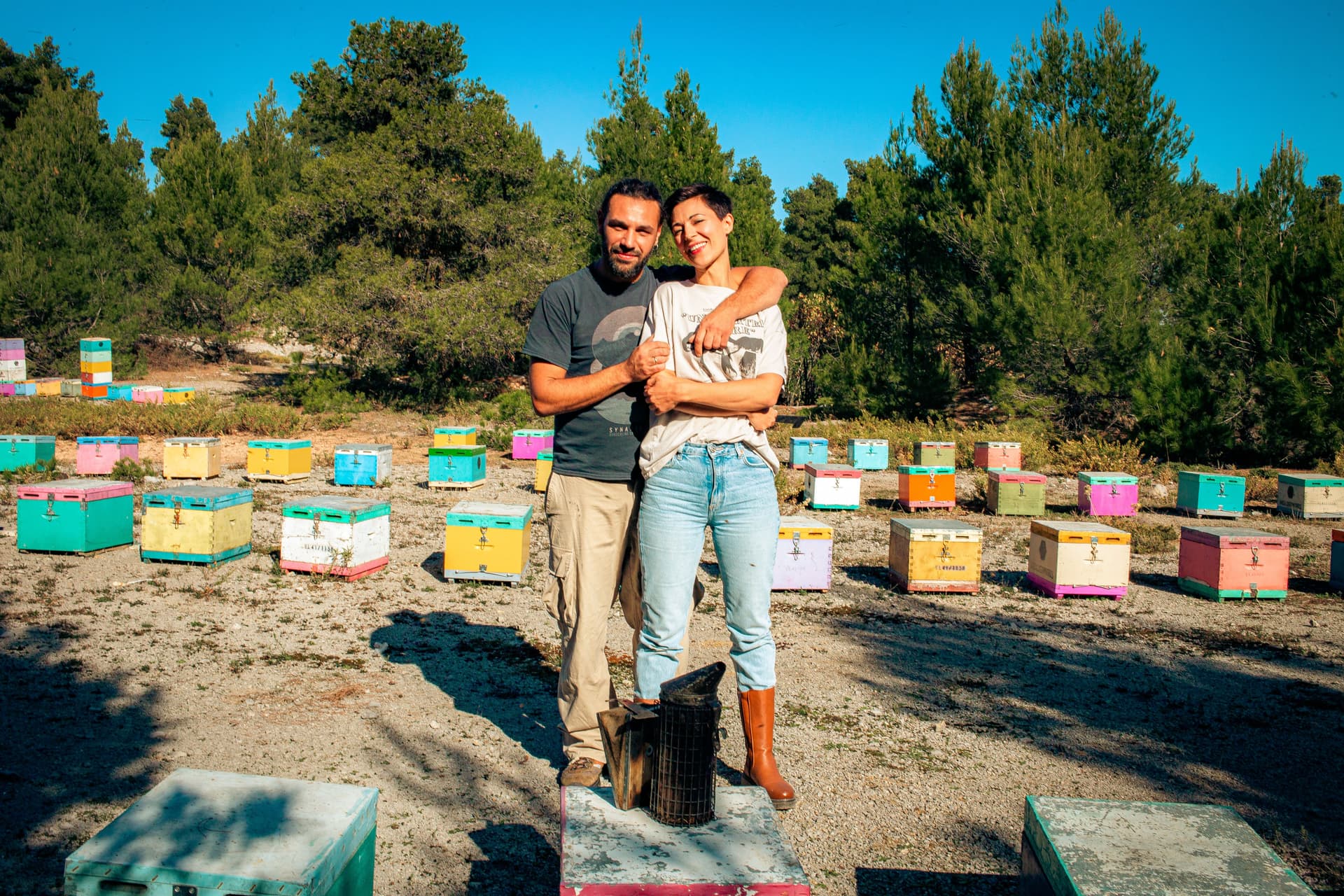
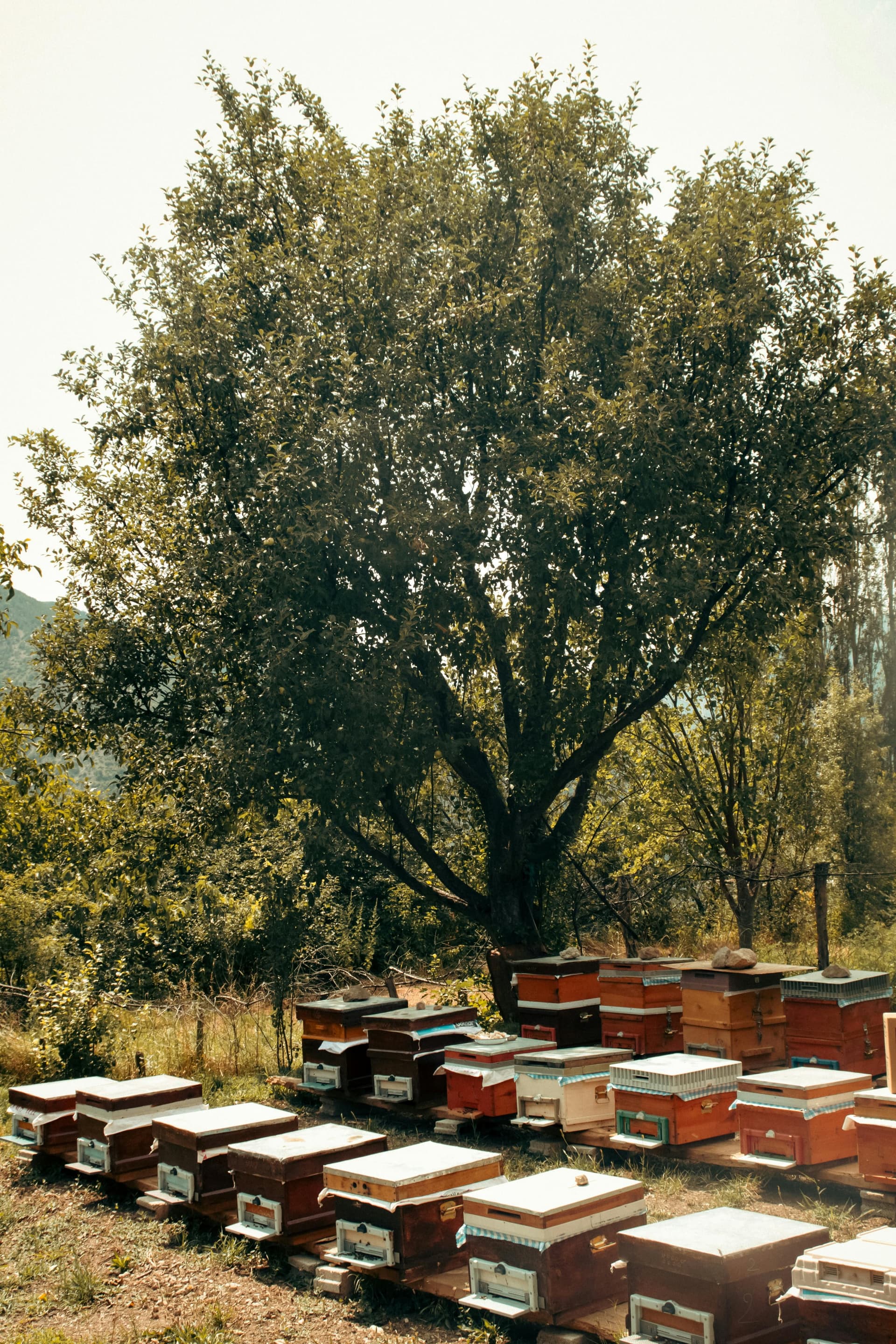
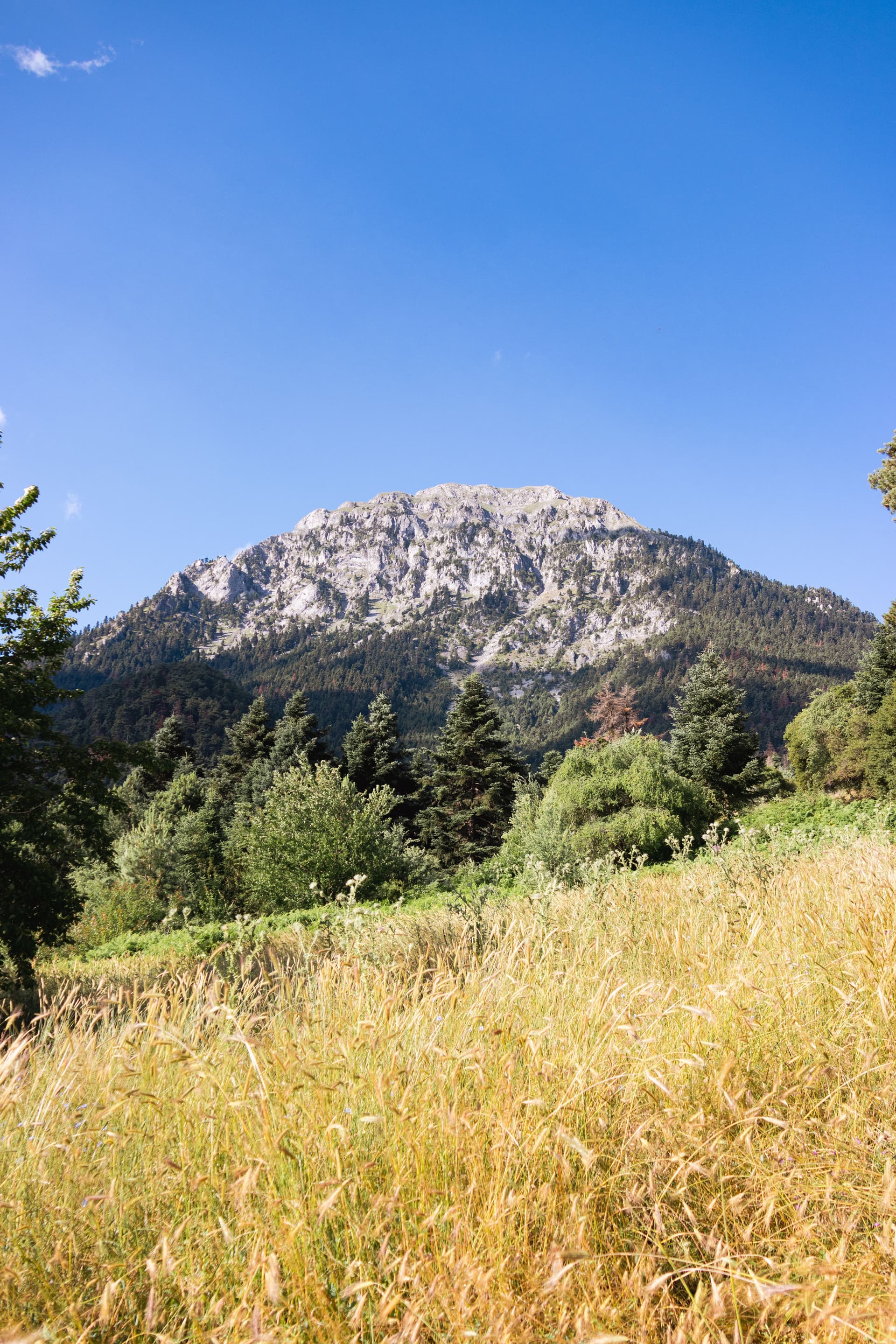
When we think of Olympus, the first image that may come to mind is the mountain itself. Its peaks, forests and dramatic landscapes. Perhaps the stories of the ancient gods that have made it one of the most recognisable mountains in the world. But a landscape is never only what we see. It is also the plants growing there, the animals and insects depending on them, the people cultivating the land, the food produced around it, the stories passed from one generation to another and the knowledge of those who have learned how to live with the landscape. A beekeeper, for example, experiences a mountain differently from a hiker. They notice when particular flowers begin to bloom. They know which areas are important for their bees. They understand how weather, seasons and vegetation affect the honey they produce. For them, the landscape is not simply a beautiful backdrop. It is part of their livelihood and their everyday life.
And perhaps this is where tourism can begin to change.
From seeing a place to understanding it
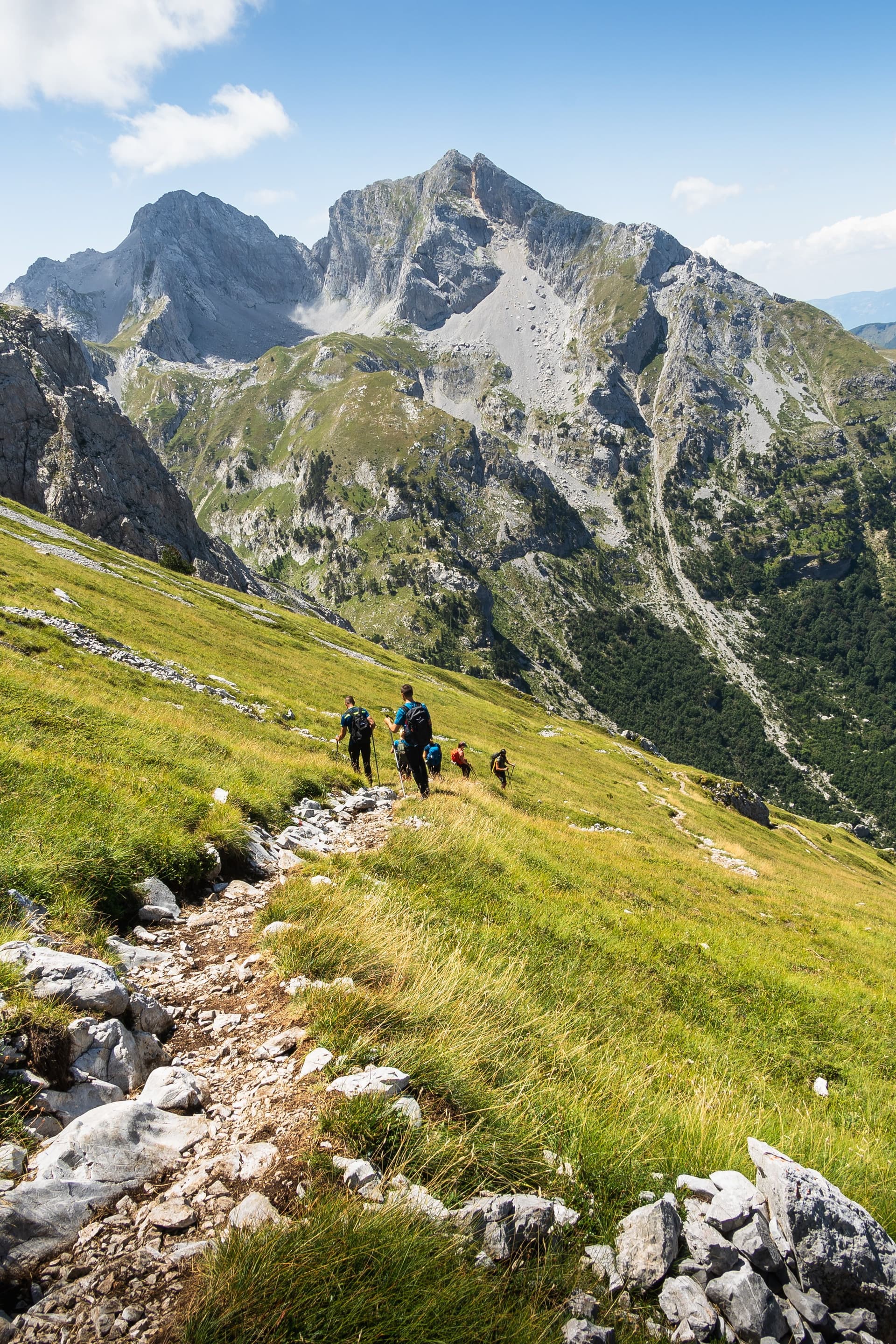
One of the most powerful things an experience can do is make us look again. A walk through a forest can become more meaningful when we know what grows there. A taste of honey can tell us something about the flowers and seasons of a particular landscape. Meeting a beekeeper can help us understand the relationship between local production and biodiversity. Suddenly, the landscape becomes less abstract as we begin to notice things. This is the idea behind the Nectar Trail we are developing around Olympus. Rather than simply creating another route for visitors to follow, we want to create opportunities to discover the mountain through different perspectives: through its biodiversity, its stories, its people and its local products. The bee becomes our guide. Following the nectar means following the flowers, the seasons, the landscape and, ultimately, the people whose lives are connected to them.
Can visitors contribute to a place?
Of course, tourism on its own cannot protect a landscape. A trail, a visitor centre or a new experience does not automatically make tourism sustainable. The way people travel, where they spend their money, how many visitors a place can accommodate and how local communities are involved all matter. But tourism can create a connection between visitors and the people who care for a place.
When an experience is created with local producers, guides, farmers, beekeepers and small businesses, part of the value generated by tourism can remain within the community. A visitor who meets a local beekeeper is not simply buying a tasting, they are being introduced to knowledge, work and a relationship with the landscape. A visitor who buys a local product is not simply taking something home. They are supporting the continuation of a local activity.And a visitor who understands why a particular habitat or tradition matters may leave with a different attitude towards the place they have visited.This is where the idea of tourism as a contributor to resilience becomes interesting.
Keeping value close to home
Sustainable tourism is often discussed in terms of reducing negative impacts: less waste, lower emissions, responsible use of resources. These things matter, but there is another question worth asking: What positive value can tourism create?
Can it support local businesses, create opportunities for people to stay and work in their communities and can it help keep traditional knowledge alive? Would it be able to encourage visitors to explore beyond the most popular places? Can it create a reason to protect the landscapes that make a destination special in the first place? There are no simple answers, and tourism cannot solve all of these challenges. But it can become one part of a wider system. This is also the thinking behind tools such as the Green Passport being developed through DETOUR: encouraging visitors to interact with local businesses, experiences and products while exploring the destination. The idea is simple, the more connected visitors become to a place, the more opportunities there are for tourism to create value beyond the visitor itself.
Experiencing with a different purpose
Perhaps the future of tourism is not only about asking where we want to go but also about asking how we want to experience a place when we get there. Do we want to simply pass through or do we want to meet the people who live there, understand the landscape, taste what it produces and learn why it matters?
At ExperienZ, this is the kind of experience we want to help create, because protecting a landscape does not always begin with telling people to stay away from it. Sometimes, it begins by helping them see it differently and perhaps, when we understand where something comes from, who cares for it and what makes it unique, we become a little more willing to care for it too. That is the journey we are beginning with the Nectar Trail, through the opportunity of the DETOUR Program or simply a trail with the people and nature of Olympus! A way of following the nectar, meeting the people behind it, discovering the landscape that makes it possible and asking how tourism can leave something meaningful behind.