
Whether you use honey every day as a natural sweetener because of its flavor, or choose it for its nutritional value, you have probably noticed the wide variety of honeys available and perhaps you already have a personal favorite. But how much do we really know about the diversity behind one of the most essential products of the Greek diet? From antiquity until today, honey alongside olive oil and a handful of other natural products has remained a cornerstone of the Mediterranean diet for thousands of years. Yet in modern times, we often lack meaningful knowledge about the products we consume, and honey is a particularly characteristic example. So let’s begin from the very basics.
Honey and the Varieties of Greece
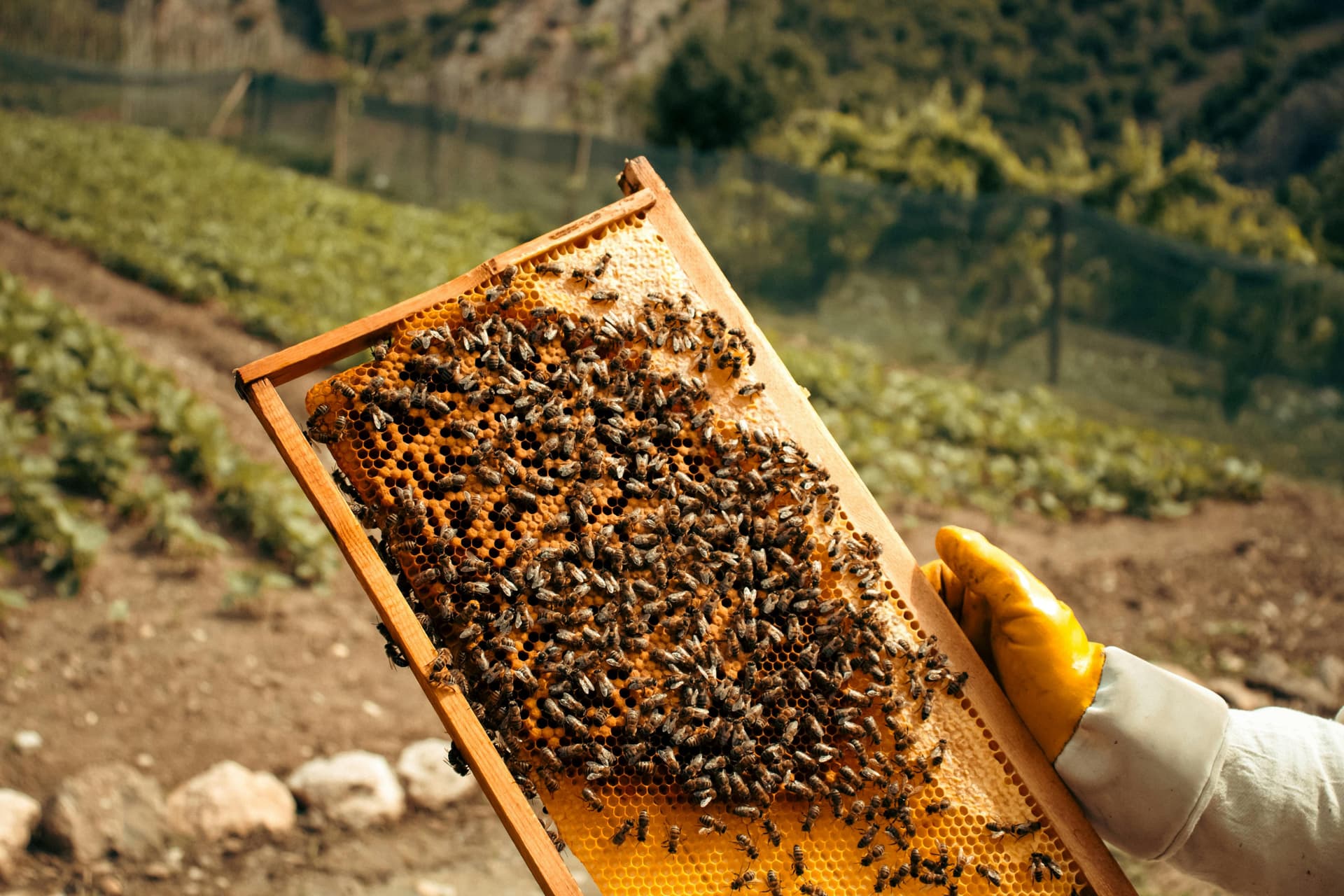
Honey is created through the work of bees, which collect nectar from plants as well as natural honeydew secretions, carrying them back to the hive where the honey gradually matures. Blossom honey, thyme honey, and pine honey are perhaps the varieties most commonly associated with Greece, yet they represent only a small part of the country’s rich honey production. Greece is home to numerous monofloral and multifloral honeys, each offering different textures, aromas, and flavor profiles. Among them are fir, heather, chestnut, strawberry tree, and citrus-flower honeys, all of which develop distinct characteristics depending on the region in which they are produced. Taking pine honey as an example, one of the most widespread varieties in Greece, its main production areas include northern Euboea, Halkidiki, Thasos, Skopelos, Zakynthos, and Rhodes. Pine honey is known for its darker color, high mineral content, and milder sweetness compared to varieties such as thyme honey. Even within the same category, however, no two honeys are truly identical. A pine honey from Thasos will differ noticeably from one produced in northern Euboea, precisely because each landscape carries its own environmental identity, what we describe as terroir.
The Terroir of Greek Honey
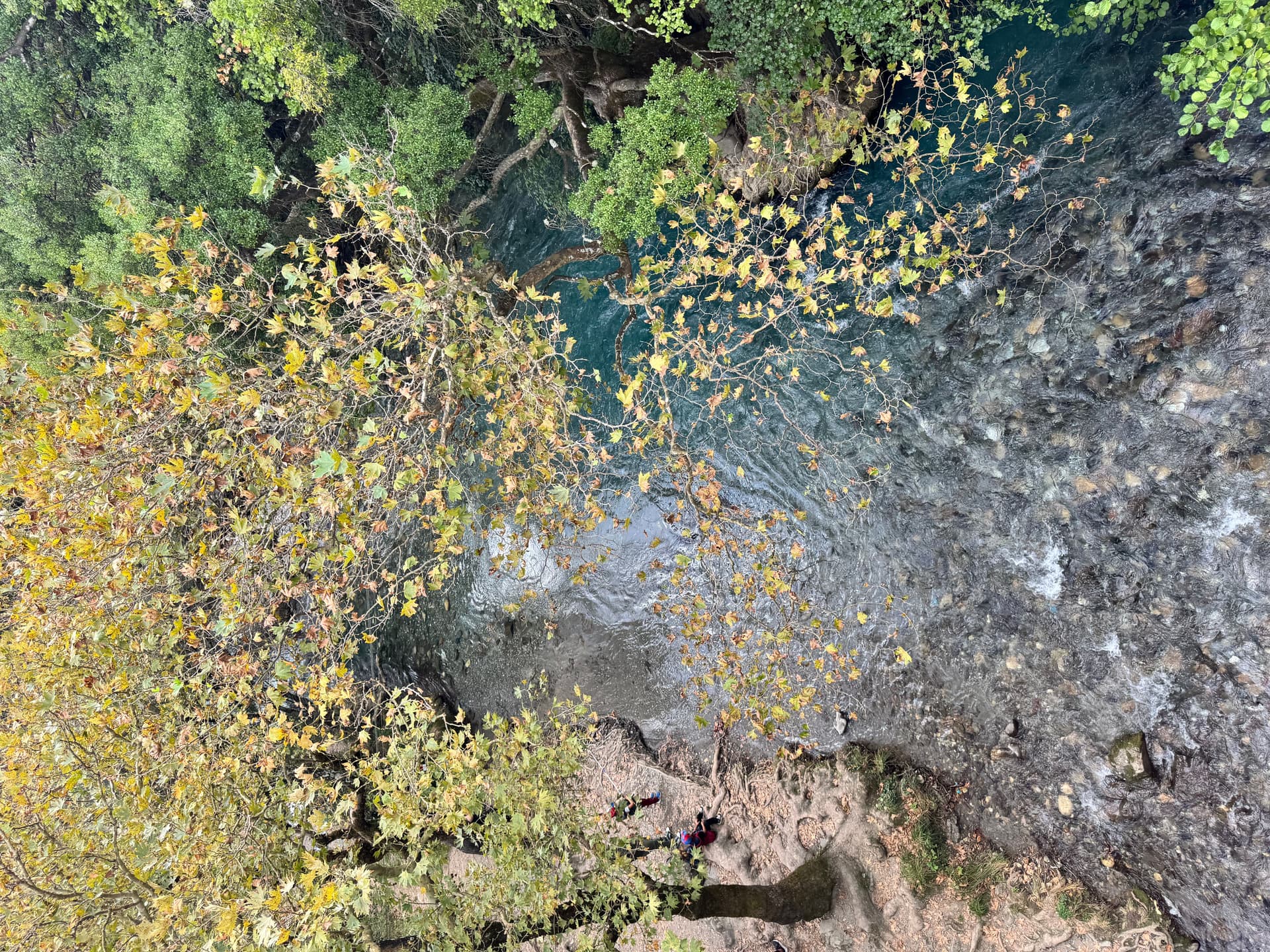
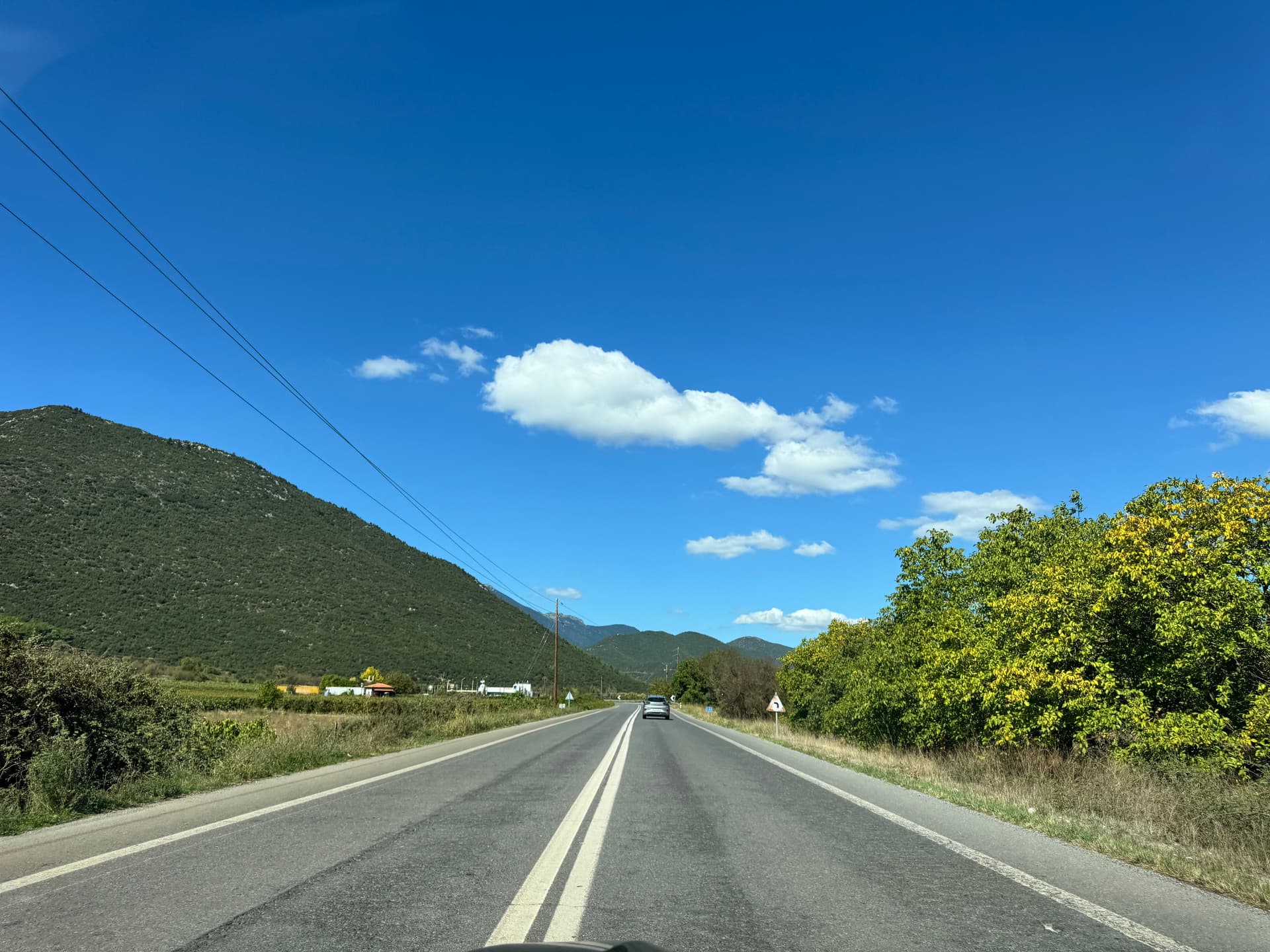
The word terroir is most often associated with wine and the environment in which vineyards grow. In much the same way, the natural surroundings and conditions in which bee colonies live, shape the identity and character of honey, creating products with remarkably different expressions. Even two seemingly identical thyme honeys can vary greatly in flavor, aroma, texture, and complexity depending on the ecosystem surrounding the bees. Honey is therefore far more than a natural sweetener; it is, quite literally, an edible expression of the landscape itself. This is what makes Greek honey so fascinating. Greece’s intense biodiversity, dramatic changes in terrain, and varied microclimates create an exceptionally diverse honey terroir across the country. From mountainous forests and wild herb-covered hillsides to dry island landscapes and coastal ecosystems, each region leaves its own imprint on the final product.
Nomadic Beekeeping and the Preservation of Nature
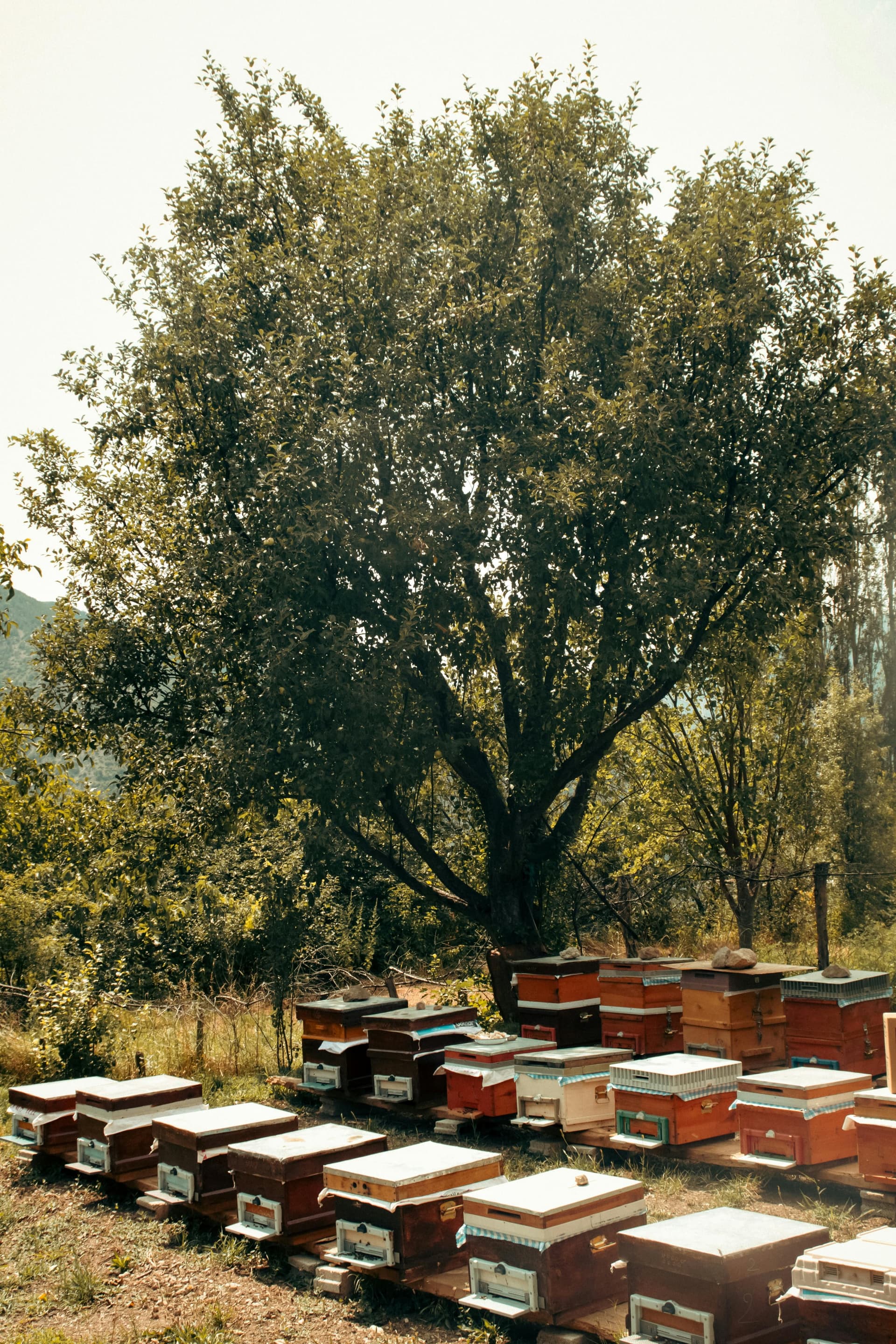
One of the most fascinating aspects of Greek beekeeping especially for those who seek out dedicated local producers is the practice of nomadic beekeeping. Through this traditional method, beekeepers follow the natural flowering cycles of each landscape and forest ecosystem, moving their hives throughout the year according to the seasons and environmental conditions. During winter, hives may be placed near mountainous fir forests, while in summer they are often transferred to coastal regions with dry climates and low Mediterranean flora. Producers such as Chara and Giorgos choose every spring to move their hives into remote NATURA-protected areas deep within the Greek wilderness, allowing each honey they harvest to express a specific mountain, season, and natural aroma. This approach of following nature’s rhythms and relocating the hives according to flowering periods creates honeys with truly distinctive flavor profiles. At the same time, it also contributes to the long-term sustainability of Greek ecosystems.
Bee Communities and Biodiversity
Today, increasingly warm winters, reduced rainfall, prolonged heatwaves, and devastating wildfires are steadily reducing forest areas and natural bee habitats across Greece. As these ecosystems become more vulnerable, the role of bees becomes increasingly critical. Bees contribute directly to biodiversity and environmental balance by pollinating a significant percentage of both food-producing and flowering plants. Their presence is essential not only for agriculture, but also for the resilience and regeneration of entire ecosystems. Through nomadic beekeeping, beekeepers are able not only to produce exceptional honey, but also to support and protect local flora by allowing bee populations to help sustain threatened natural environments.
If this journey into the world of Greek honey has inspired you to explore these flavors for yourself, discover honeys shaped by unique terroirs, and learn more about the relationship between bee communities and the landscapes around us, you can explore more through the experiences available on our page.