
Beyond the modern Greek tradition of visiting the mountain villages during the two weeks of Christmas holidays, most mountainous areas in the central and northern mainlands of Greece and the Peloponnese remain quite isolated throughout the October to March period. Specifically when it comes to Olympus, where nature lovers can find lots of organized trekking getaways, July and August seem to be the most active months since the weather on the mountain top remains bearable for hikers to reach the mountain peak and not freeze during the night or face weather hardships in general.
One focal point of the DETOUR project is exactly this need to bring people back to Olympus within the year and break this mass tourism seasonality, that is usually connected to hiking in the mountains and of course the Christmas to New Years vacation period. This redistribution of tourism flows will help local people and businesses have more income within the whole year and not depend only on high season periods to make ends meet for the rest of the year.
The season that has to pay for the rest
As Olympus is the highest mountain of Greece, it is deeply connected to hiking and specifically climbing up to the Plateau of the Muses at about 2.550 meters. Therefore, most visitors come in July and August, when the paths are busy and the mountain shelters have the easiest conditions for people to have a pleasant overnight stay. This busy two month period is part of a wider “high season”, ranging from May to October. After that timeframe, the mountain itself and the wider area are undervisited with a short exemption period during the Christmas holiday season. However, winter is that time when a mountain village is closest to its everyday self, running at its own speed and with time to talk.
What can I do on Olympus on November or March then?
First it is important to know what winter means up there: Olympus rises from the Aegean coast to Mytikas at 2.918 meters altitude, so one mountain holds several strong winters. In Litochoro, the village that is located at its foot (at 293 meters), December to February averages from 2 to 4 °C, and December is the wettest month, with lots of rain. Higher up, winter temperatures run from about -10 °C to 10 °C, and the zone above 2,000 m stays under snow for roughly nine months, from about September to May. The practical consequence to those weather conditions is simple. Refuge A (Spilios Agapitos at 2.100 meters) is open from May to October and stays closed and unstaffed for the most part through the winter. So the mountain summit in winter is a whole mountaineering project, not just a holiday walk. Everything below it, is about the rest of the mountain and its valleys, which is much bigger than most people expect, and that is what people forget to explore during those conventionally “low seasons” of the year.
Walks below the snowline and high peaks
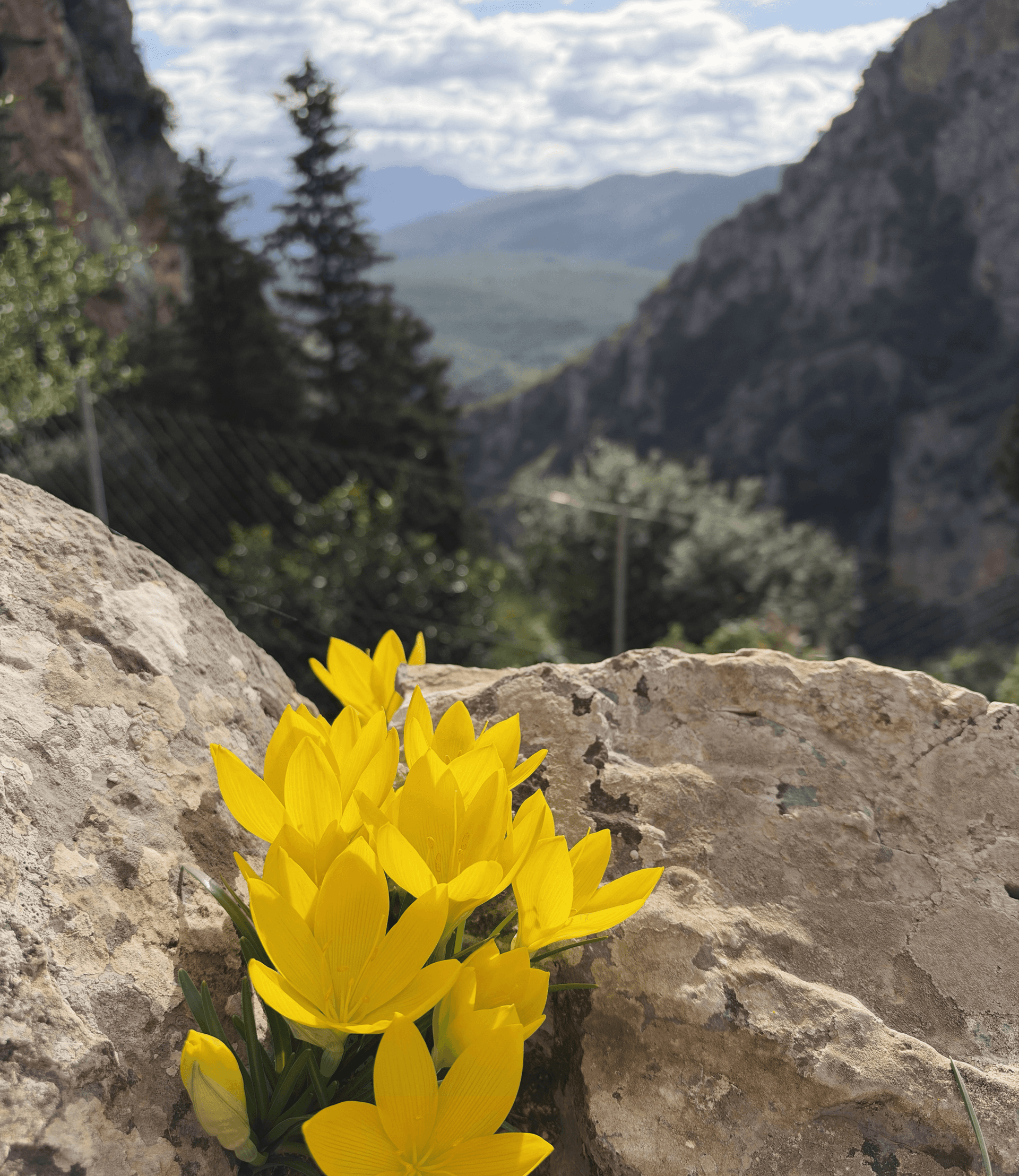
However, the lower paths around Litochoro and Prionia mountain positions (1,100 m) are the usual gateways for winter walking, and a mild day in the foothills can be a very good day for an average hiker. In that sense, a visitor can easily take up hiking sessions without having to face any dangerous or unsafe weather conditions, as there are multiple alternative routes in lower altitudes. In addition to that, for those who don’t wish to hike or climb, there are a series of natural places and villages that someone can enjoy during the cold winter. One such example is the Archaeological Park of Dion, the largest archaeological site in Pieria located at the northern foothills of the mountain. You can walk among a Hellenistic theatre with Olympus behind it, a Roman agora and baths, houses with mosaic floors and early Christian basilicas. The Dion museum holds the hydraulis, a water organ described as the oldest known instrument of its kind, and the mosaic from the Villa of Dionysus, which most visitors come to see.
Litochoro: fireplaces, coffee by the river and long lunches
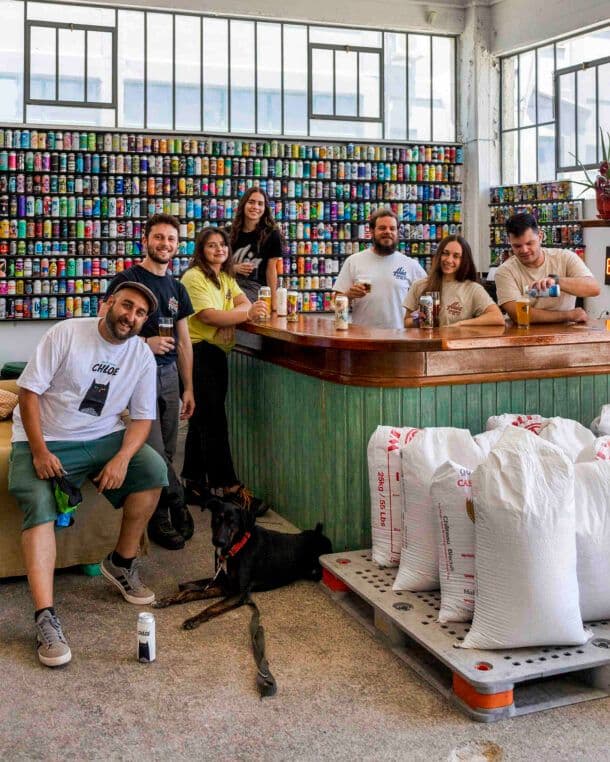
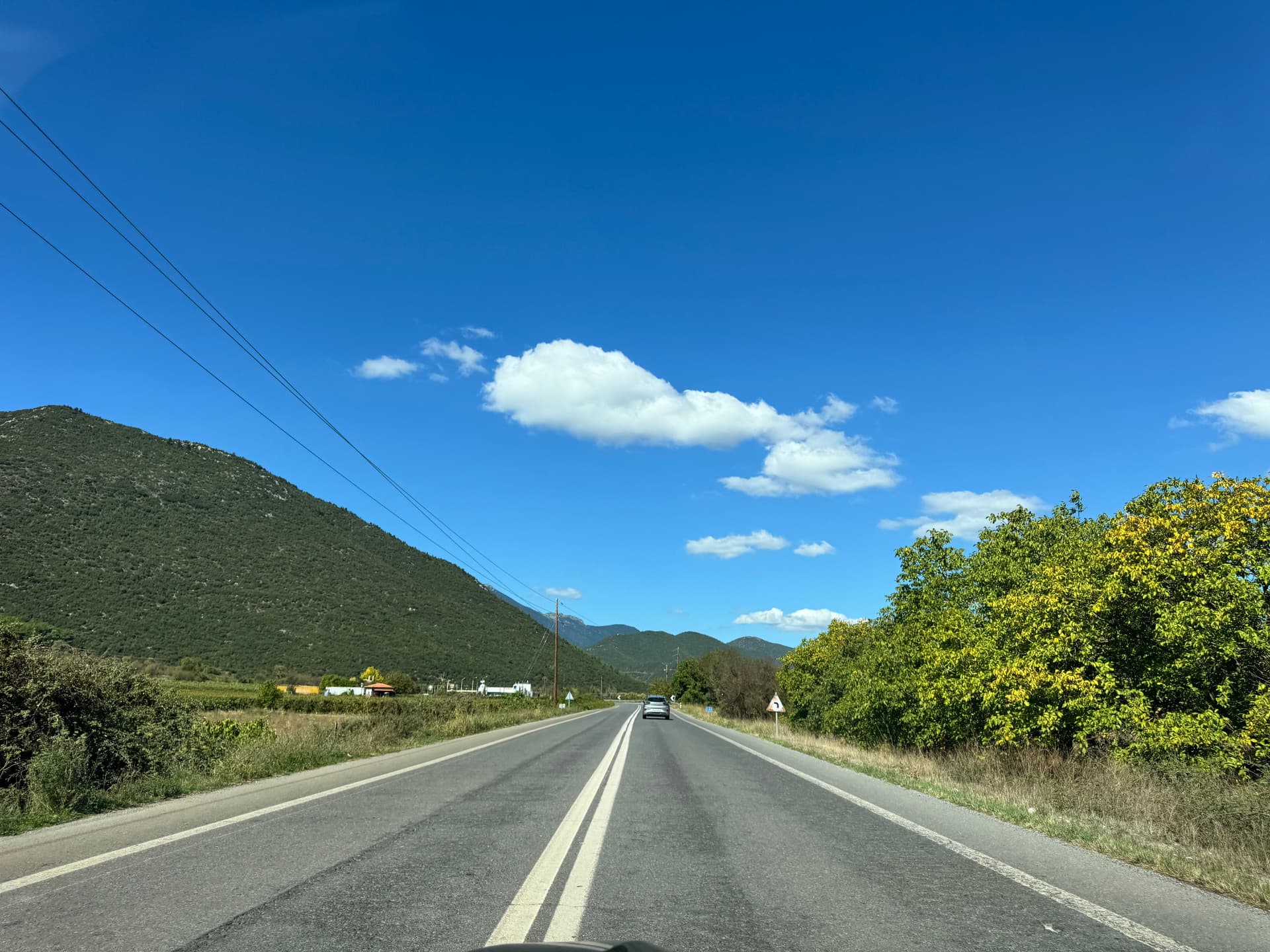
In winter Litochoro runs at its own pace. The shops with local products, the cafés and the traditional tavernas are open to a village community that is not in a hurry, and guesthouses and hotels offer fireplaces and mountain views. Expect winter tables of stifado and soups, and multiple local treats from the wider area of Pieria like mountain tea and herbs, chestnuts of Olympus black pork meat and more. Finally, a point that lots of visitors miss is how close mount Olympus stands to the water, as Plaka, the closest coast is only 10 to 15 minutes away by car, allowing visitors to enjoy a long walk on the beach in the context of their winter mountain stay.
Winter with the people who live here
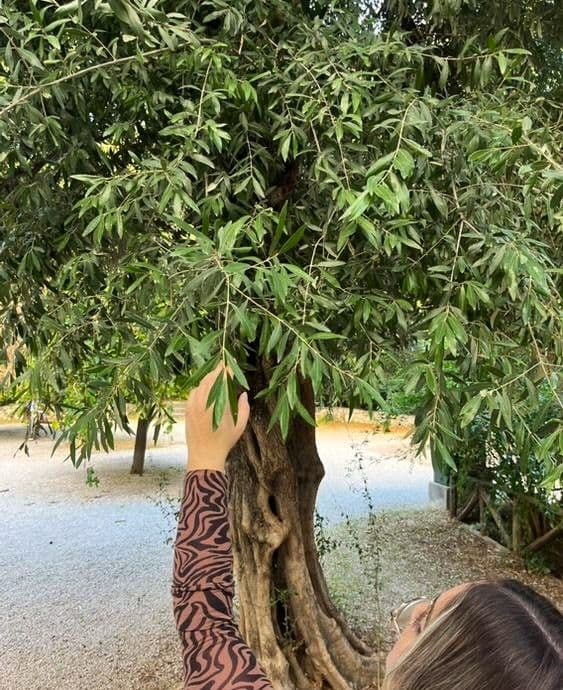
Finally, the low season period that we are discussing about in this article is the best time for you to connect with locals and experience the place at its most natural state of the year. Late autumn and the whole winter period is the time, when local producers have time to talk, and when a visit matters most to them. Hikers crowd the area in July, August and during the Christmas week, while in the quieter months many local businesses are left without income from groups and other traveles. Choosing a local guide, a family-run guesthouse or a hands on workshop in the valley puts money where it is actually needed. One option from us as Experienz is the Nectar Trail getaway that can be executed in multiple times within the year and is not only connected to the late summer high season of the wider Olympus area. By choosing a shorter or longer stay, you will have the opportunity to enjoy the nature of Olympus without it being overcrowded, try local products, learn about the flora that influences honey production and how the bee communities work. At the same time, you will also embark on a hands on honeybee inspired workshop and connect with local business people and their real everyday stories.
To summarize, next time you plan your next getaway on a mountain and more specifically on Olympus, be prepared to try an alternative travel plan that deviates from a mass “climb to the summit” hiking session. You will explore a more calm and ultimately real side of the mountain area and its natural setting, stay in a friendly hotel, taste some farm to table moments and become ready yo come back with your own digital green passport. Stay tuned!