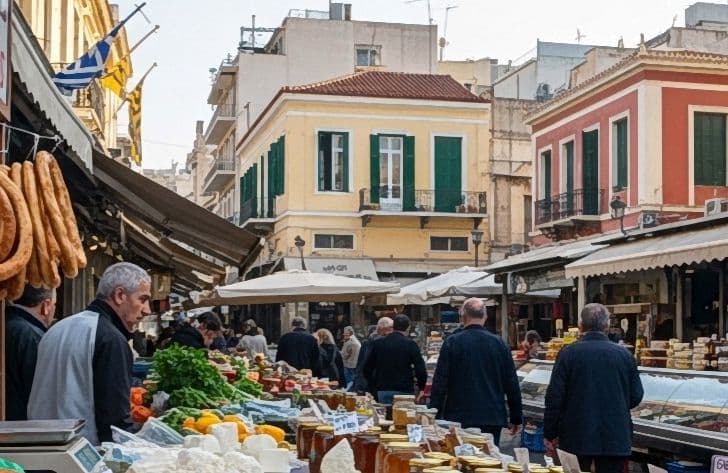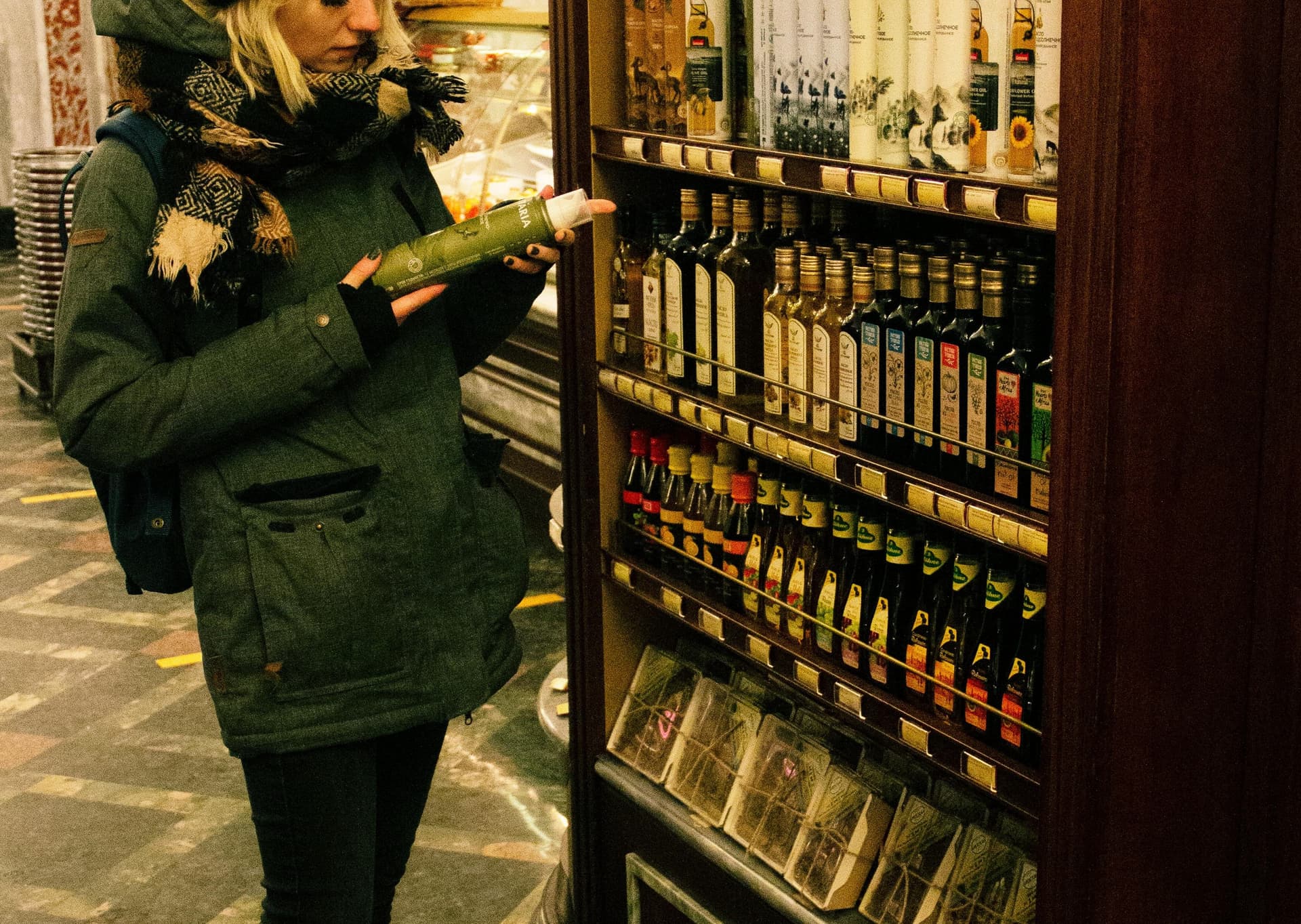

Simple, virgin, or extra virgin olive oil is far more than just a staple of Greek cuisine. It’s a living symbol of history, culture, and tradition, woven deeply into the fabric of Greek life. From ancient times to the present day, olive oil has stood as a hallmark of healthy living and national identity. Its cultivation and use continue to be an essential part of Greece’s intangible cultural heritage, embodying a harmony of land, nature, and daily human experience.
Olive Oil in Ancient Greece: Rituals and Reverence
To trace the roots of olive oil, we must journey far back in time all the way to 3,000 BC in ancient Crete, where evidence of its systematic production first emerges. Archaeological findings across Greece, from olive pits and amphorae in tombs to tablets inscribed in Linear B, tell the story of a society that revered the olive tree and its precious oil. During the Minoan era, olive oil was more than nourishment; it was sacred. It was offered to the gods, used in purification rites, and played a central role in ceremonies and mystery rituals. One of the most remarkable ancient traditions was the Panathenaic Games in Athens, where victors were awarded amphorae filled with high-quality olive oil from the city’s sacred groves — an honor of immense value. Even today, echoes of those rituals remain. Olive oil plays a starring role in Greek religious customs: anointing during baptisms and weddings, healing during blessings, and as a light in the eternal flame of the Greek “kandili” (oil lamp in religious sites). Its symbolism of spiritual fruitfulness endures.
Olive Oil in Greek Art and Expression
Beyond ritual, olive oil has long nourished Greek creativity. In ancient times, it was used in the making of perfumes, salves, and even paints. But it also lives on in poetry, folk songs, and storytelling, no other foodstuff has been celebrated in words and music quite like the olive. Homer, the father of epic poetry, often referenced olive trees and oil as gifts of the gods and emblems of protection and care. Poet Kostis Palamas called the olive “the honored one,” while Andreas Kalvos hailed it as a “symbol of peace.” Traditional songs and village tales frequently evoke images of olive groves and mills, capturing the essence of rural life. As poet Georgios Polemis once wrote: “Fatherland, your olive presses work day and night,” reminding us of the unbroken bond between the Greek people and the olive tree.
A Pillar of the Greek Economy
No cultural portrait of olive oil is complete without acknowledging its economic importance. For centuries, olive oil production has supported rural Greek families not just as food, but as currency. In many regions, oil was once used in barter to purchase everyday goods. Through times of hardship, olive oil remained a steady source of income and resilience. Even in antiquity, olive oil was a fundamental export, establishing Greece’s role in early Mediterranean trade. Today, it has grown into a dynamic global industry. With international certifications and awards for quality, Greek olive oil proudly represents the country on the world stage a flagship product of both heritage and innovation.
Greek Gastronomy’s Golden Thread
And of course, we end where most Greek meals begin with a generous pour of olive oil. Whether it’s sizzling onions for a stew or sealing meat in a hot pan, olive oil is the heart of Greek cooking. Open any traditional recipe book, and you’ll find it on every page. Unlike other ingredients that faded in and out of fashion such as bell peppers, tomatoes, or potatoes olive oil has always been there, anchoring the kitchen with its golden glow. From Mithaecus, one of antiquity’s first recorded chefs, to 20th-century culinary legend Nikolaos Tselementes, and today’s Michelin-starred chefs, olive oil has remained the unshaken foundation of Greek gastronomy. Its health benefits known since ancient times continue to be validated by modern science, placing it firmly at the base of the Mediterranean diet pyramid.
A Common Thread Through Centuries
What could an ancient Greek athlete, a Byzantine painter, and a 21st-century professional in Athens possibly have in common? The answer is olive oil. Across centuries and lifestyles, this liquid gold has graced the tables, bodies, rituals, and hearts of Greeks. Whether consumed, applied, offered, or burned, it remains a constant companion in Greek life. Today, the cultivation and production of olive oil are still deeply respected, a proud testament to Greece’s cultural identity. To taste it is not only to nourish the body, but to savor a drop of history a timeless essence of the Greek soul.