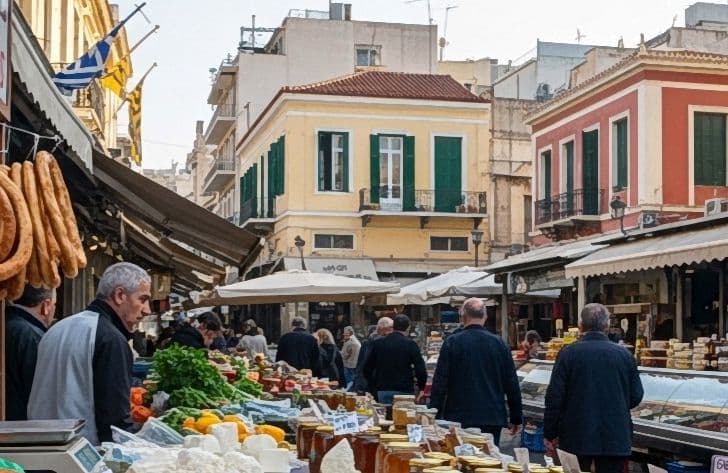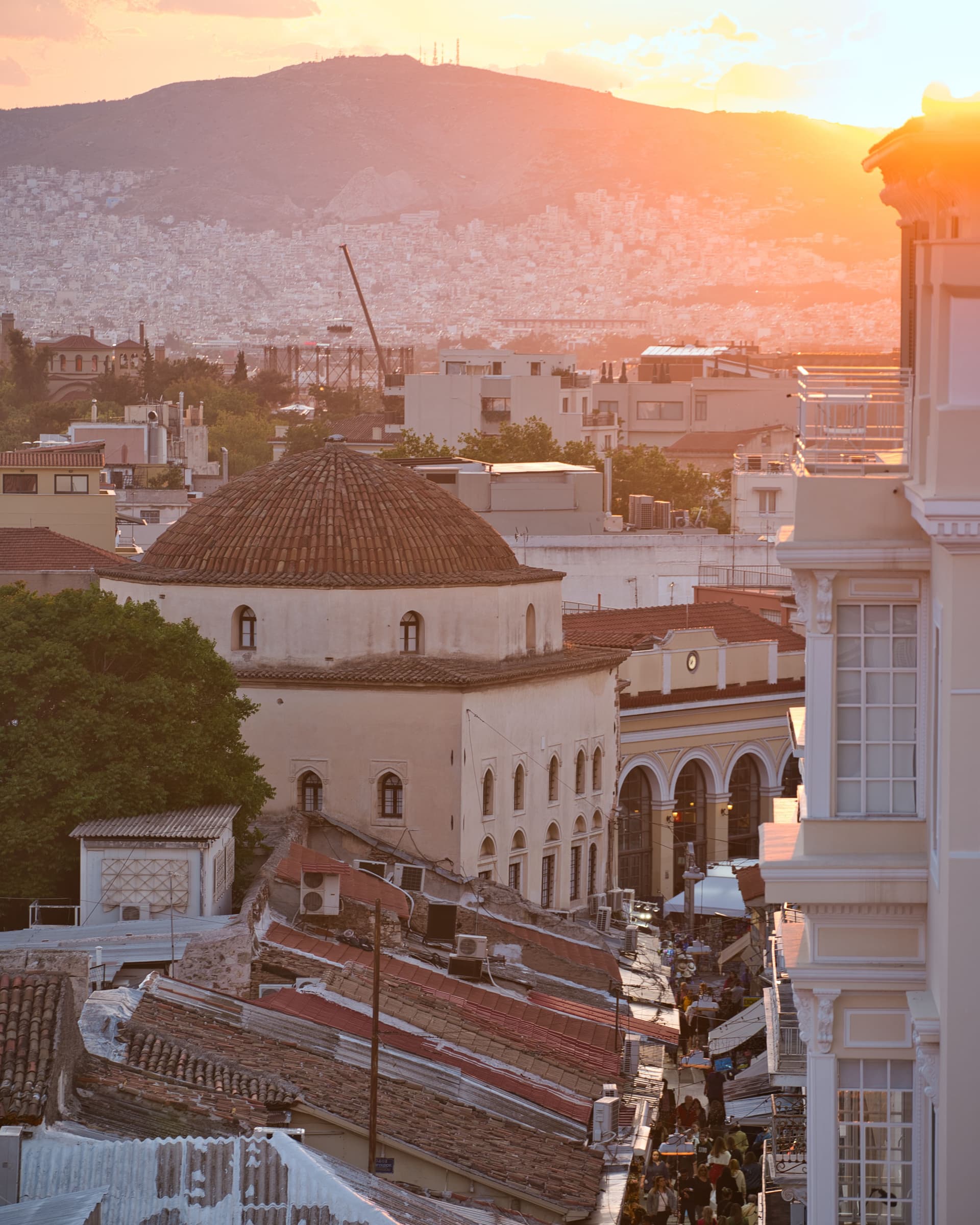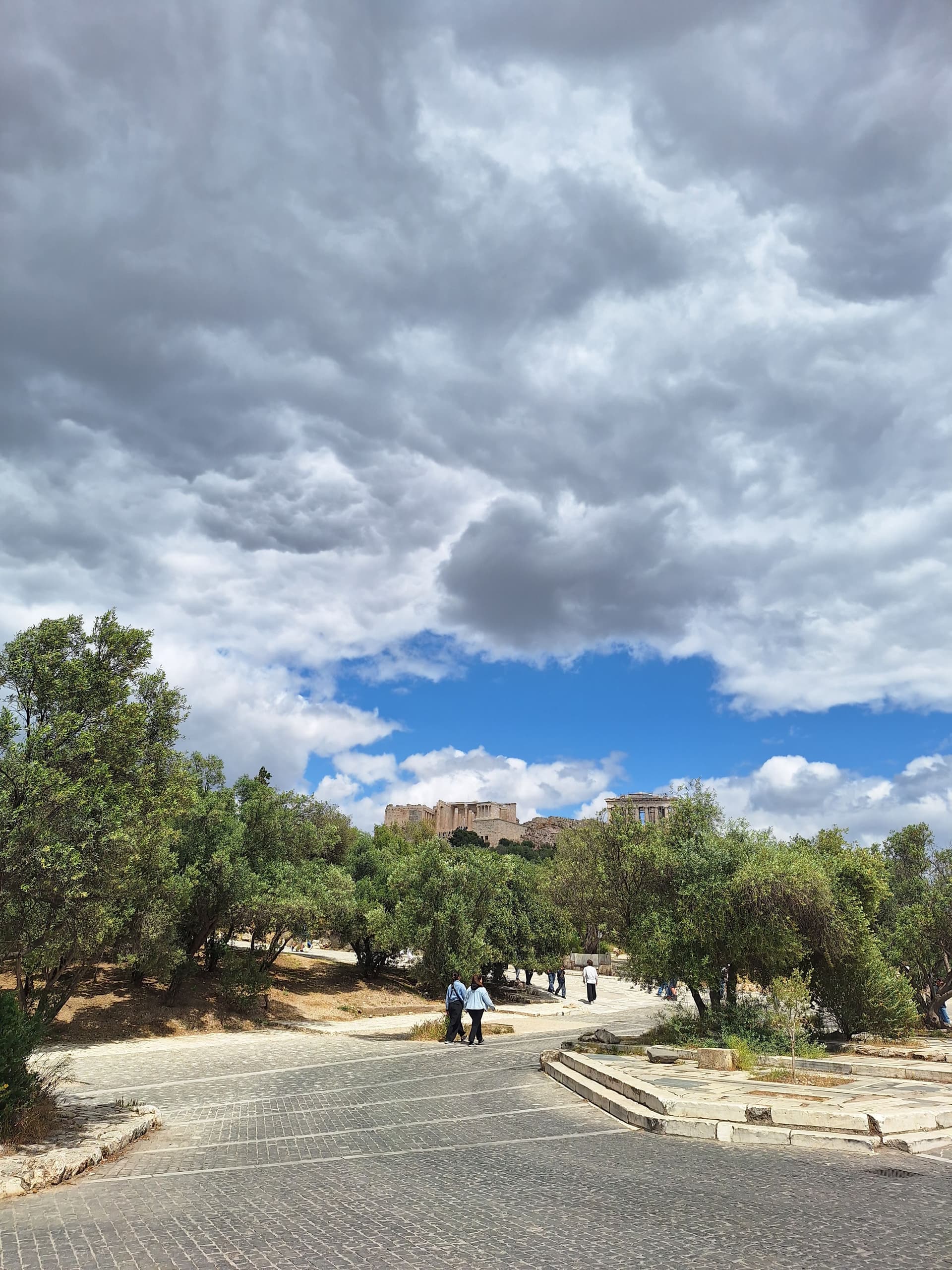

- Is it your first time in Athens? Then Acropolis is a must.
- Never been to the museum of Acropolis? Please do plan a visit!
- Have you visited the Roman Agora, the theatre of Herodes Atticus and the Arch of Attalus? (Hopefully yes.)
If all the above are already completed and you are planning to come back to Athens, let us provide you with some alternative options for curious souls to spend your spare time around the city before enjoying the gastronomy and intense nightlife of the city. In contrast to Thessaloniki, Volos and other Greek cities, where visitors have the opportunity to learn about the Byzantine Era, the Ottoman rule and the world war(s)’ incidents that formed the cities, Athens seems to be stuck in the classical period and the Golden ages of Pericles. This identity hides the multi faceted historical events that have formed the Athens of today, since a long part of the latest and more modern history segments are missing. In that sense, only a few people are getting to see the parts of Athens that reflect the later modern political, social and cultural events.
Athenian FAQs
Before we start let us answer a few typical questions that will cover a first intro to the city itself.
-How old is the city after all? Athens holds a recorded history of more than 3.400 years and is considered one of the oldest continuously inhabited cities in the world!
-Was Democracy always a thing here? Actually no, its birthplace was Athens even though the city and the whole country has been ruled through different regimes (monarchy, oligarchy and more). Even as late as the 20th century, Athens was part of the Kingdom of Greece under a constitutional monarchy scheme.
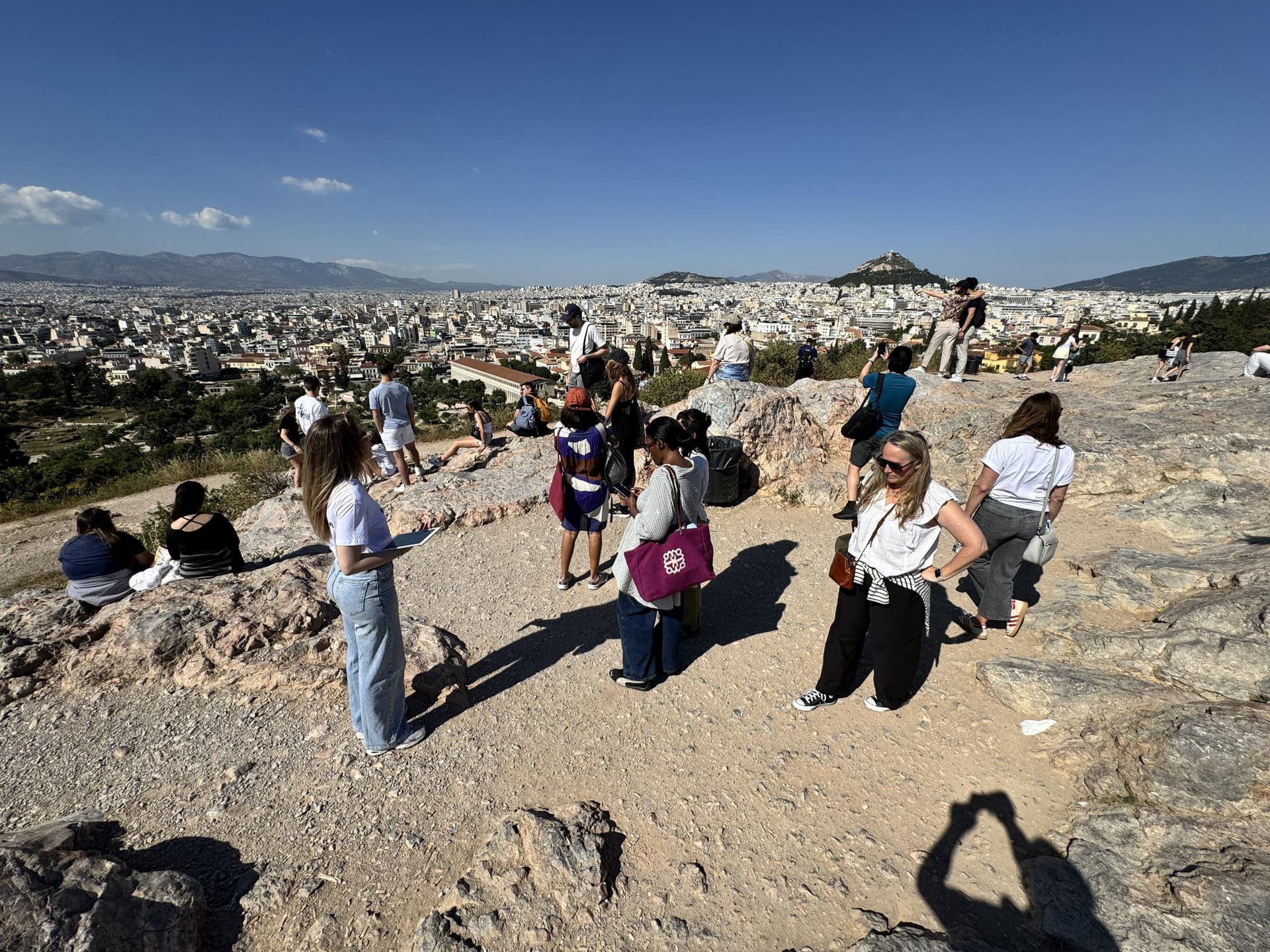
-How many people are living here? Athens is really densely populated even though that was not always the case until 100 years ago. The current population is approximately 3,2million people.
-Are there opportunities to socialize? Yes, pretty much everywhere, as Greeks are always down for a casual conversation regardless of the social context.
Entire neighborhoods function as open-air museums.
Of course, we don’t mean to suggest that you ignore the history of the city. We just want you to explore the untold stories beyond mainstream ancient historical narratives and understand what each corner of the city has to tell you. For instance, except for the historical center that includes Thisseio, Plaka, the Hill of Acropolis and Monastiraki, there are typically “uglier” neighborhoods like Psyrri, Omonoia, Exarcheia and Metaxourgio that hold a long story of migration flows and street fights, that have lead to an intense architectural anarchy. A short take on the weird Athenian road network dates back to the first modern urban plan of Athens by the time that King Otto was the governor of Athens (1832). This great plan was conducted by two architects named Kleanthes and Schaubert, who envisioned a highly organized city with wide boulevards, geometric street axes (such as Stadiou, Piraeus, and Ermou) and generous public and green spaces. However, by taking a short walk around the city center you realize that the original design was significantly altered due to political and local opposition, leading to revisions, especially under the architect Leo von Klenze, who reduced street widths and changed the planned urban grid. These early modifications set the foundation for Athens’ later uneven and fragmented urban development, since Athenian citizens were rather poor and had to build their homes whenever possible, leading to a city that is moving away from the initial structured planning vision. Similar stories apply to multiple squares, roads, buildings and whole neighborhoods, where their story dates back to civil wars and other important events that made Athens of today.
The Bad and the Good news for the modern traveler
The bad news is that even people who have been living in Athens pretty much their whole lives are not aware of the thousand untold stories that lead to the modern Athenian scene. Which means that the average traveler will not be able to experience the city and unravel its secrets easily. The good news is that we (ExperienZ) and some more new age hosts and guides are developing urban routes, games and walking tours that can bring you closer to the multi-faceted life of Athens. What we suggest is what we ultimately offer: slow cultural walks that we have designed to connect the dots of culture that are hidden within the city center. Curated by us and holding a piece of our curiosity, each experience opens a different window into Athens and its layered identity. Among them is our Philosophical Walk, where walking itself becomes a form of reflection, an invitation to explore how movement through the city has been mirroring philosophical thought. In Coffee Stories, we dive into Greece’s long and rich coffee tradition, tracing the role of the historic Kafeneia spaces that have long served as vital social hubs for Athenians and continue to do so today. Our newer additions include Olive Roots, an experience that reveals the surprisingly green side of Athens and explores the deep connection between Greek people and the olive tree. Finally, Athens Through Her Eyes is a series of tours dedicated to uncovering the city’s often-overlooked feminine perspective, highlighting Athenian women who shaped society within a deeply patriarchal context.
Allow me to close with a personal note: I love untold narratives and “informal” gossip. I am currently 29 and have been living in Athens my whole life. However, it is only in the last 2 years that I fell in love with this city. I took some time to read, learn about historical events, walk through the little streets and understand that Athens is a living place filled with contradictions, philosophy, art, flavors, memories, and everyday rituals. So please treat me as a local and let me provide you with my own perspective of Athens.