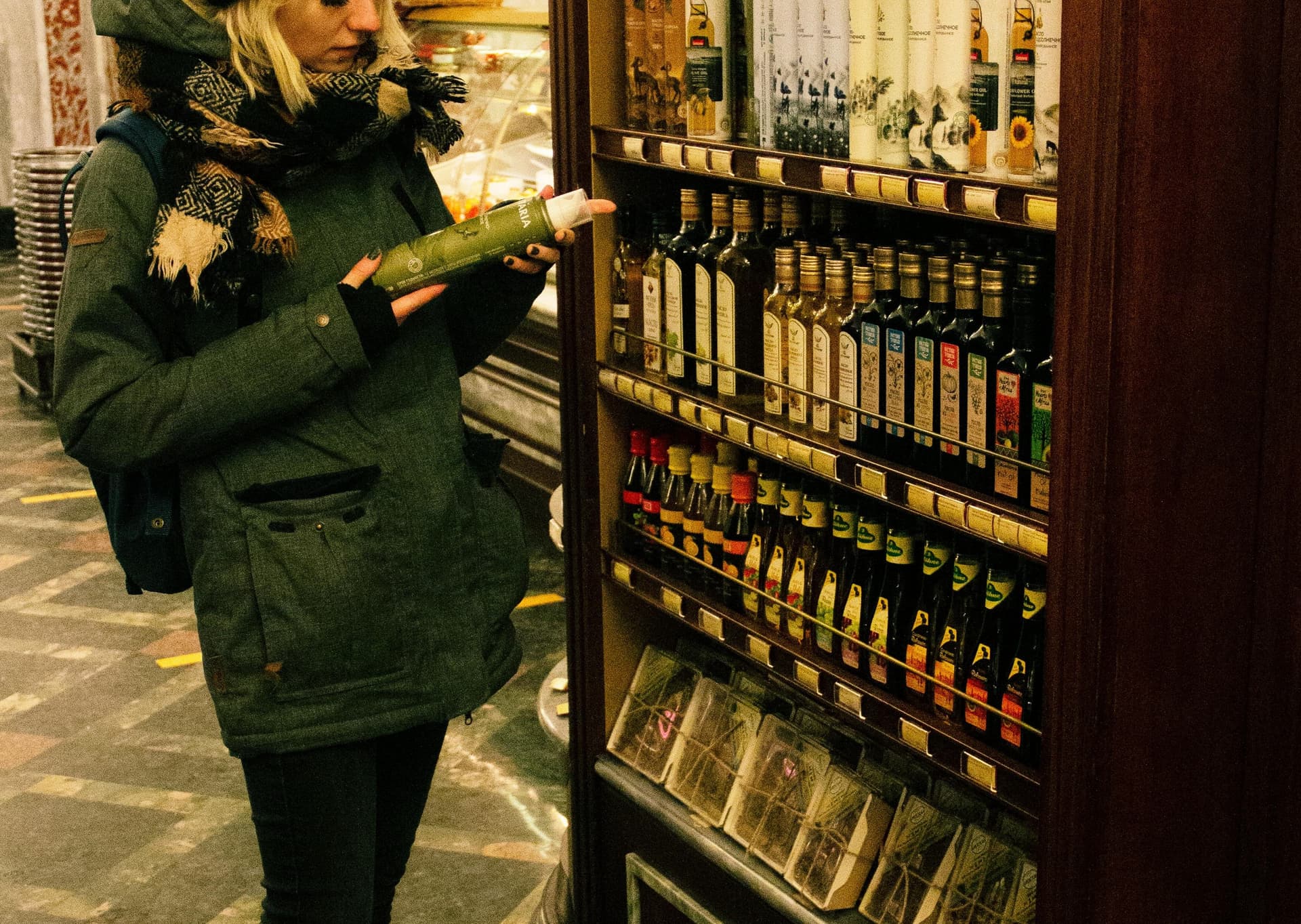

In today’s highly consumer-driven era, where people have access to countless products both locally and online, the choices we make play a significant role in shaping a more sustainable future. That means we should start being aware not only of the quality and the ingredients of the products we buy, but also care about the sourcing methods, the people behind it and the story it has to tell us as a whole. For us at Experienz, this was (and still is) a major concern when it comes to choosing the people we partner with, as we want to understand the narrative behind their production and service placement.
Shouldn’t taste and “purity” criteria be enough to choose?
The short answer is yes, choosing an extra virgin or a virgin olive oil with distinct certifications is more than enough for you to taste a high quality Greek olive oil and explore the local gastronomy. However, several producers and olive oil suppliers have more to offer. For instance, Delta Morea, is a specialized olive oil store with tasting experiences that is based in Athens but has its roots and producing base in Peloponese. What they aspire to do with their products, among other things, is take the lifelong olive oil cultivation and production traditions of the region of Mani and bring them into the urban environment of Athens. In that sense, by trying their olive oil labels, you get to enjoy a complementary informative session about olive oil production and the details that make each olive oil unique. This experience allows you to discover the flavors and characteristics of the Peloponnesian region without having to travel there yourself.
Sustainable Olive Groves in Action
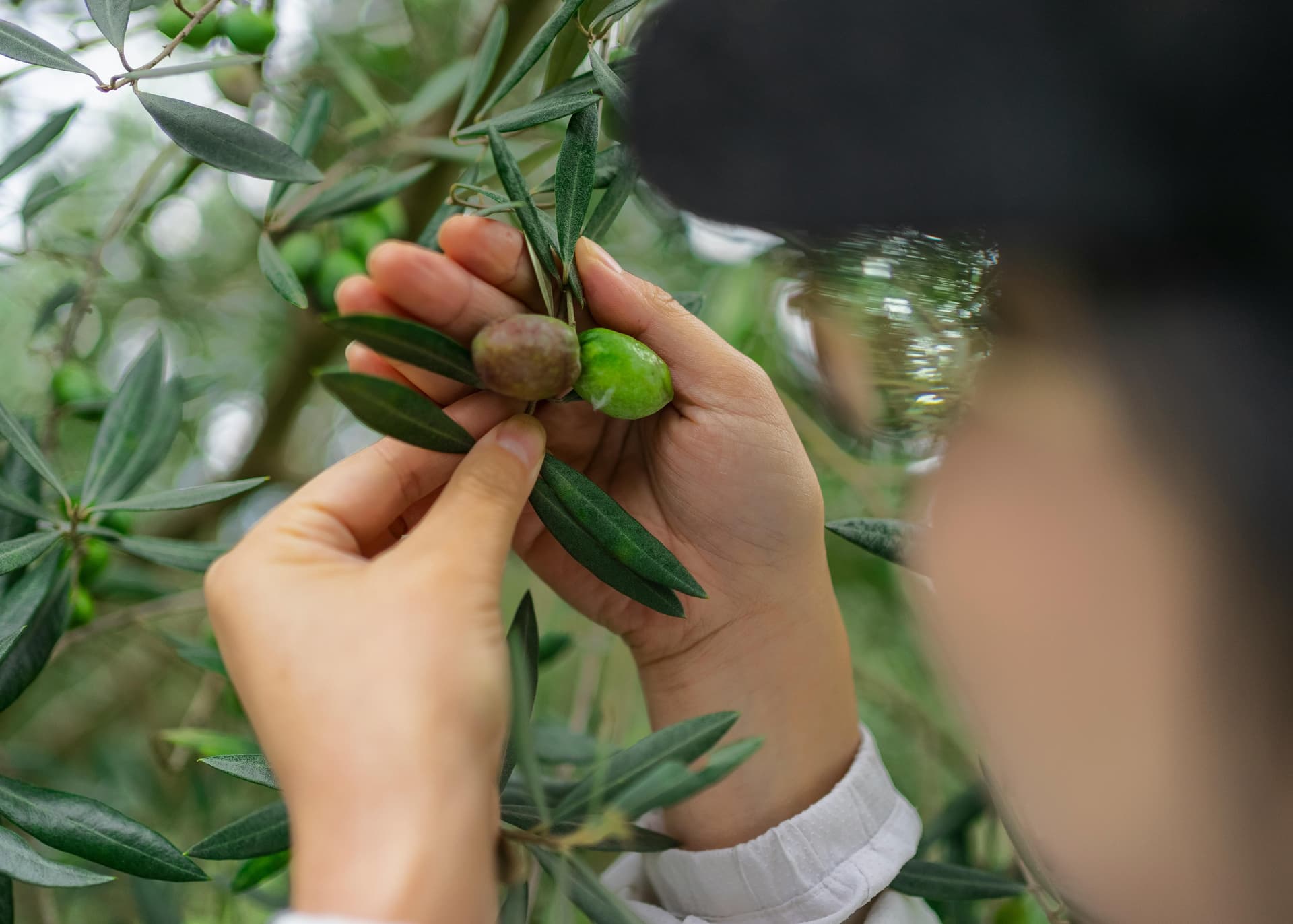
When it comes to olive groves, not all farming methods are the same. The practices followed by producers can significantly affect both the quality of the product and the surrounding environment. Traditional olive groves, for example, often function as low-impact agricultural ecosystems, with widely spaced olive trees, limited irrigation based mainly on rainwater, and fewer mechanical harvesting processes. Beyond flavor and quality, the cultivation methods themselves can shape entirely different environmental outcomes. For Delta Morea, sustainability plays a central role in cultivating their olive groves across the Peloponnese. Sofia explained that they follow a series of responsible practices, including the reduced and controlled use of fertilizers, minimal and necessary water consumption, refusal to use herbicides or harmful chemicals, compost production through pruning residues, and the integration of organic farming principles into olive cultivation. As Sofia states, their core principle is to align the growth of Delta Morea with people and the environment by implementing practices that contribute to the protection of rural areas.
Olive Oil as part of a collaborative Journey into local gastronomy
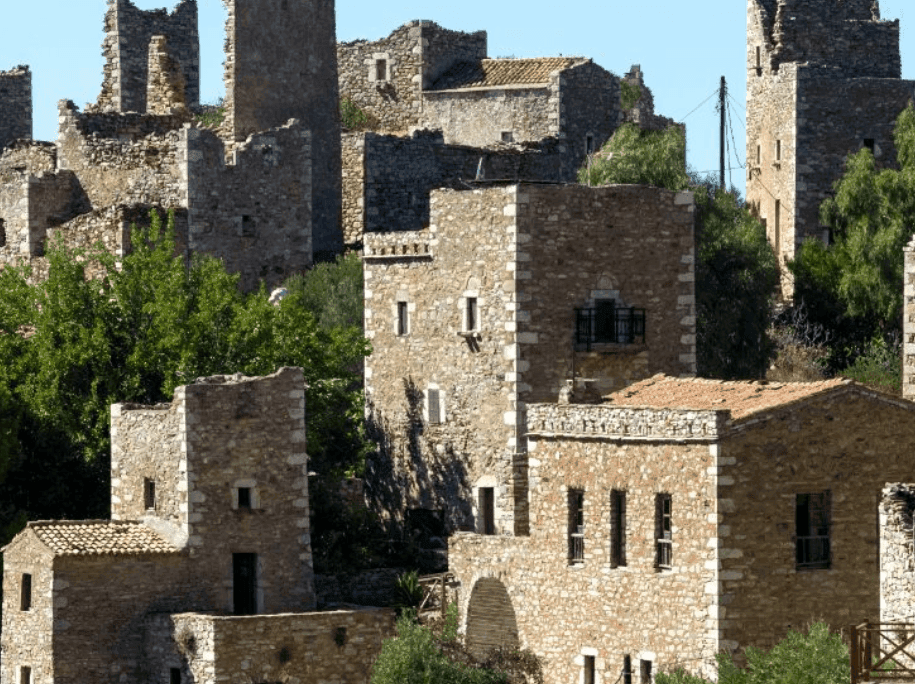
At the same time, collaborations with local partners are an essential part of supporting local growth and creating meaningful synergies. This philosophy is reflected in the more holistic gastronomic experiences Delta Morea offers outside Athens. Beyond the onsite olive oil tastings, they organize experiences in the small village of Myrsini, located in the wider Mani region of the Peloponnese. One of these includes a visit to the olive mill where the Organic Extra Virgin Olive Oil is produced. Visitors gain a deeper understanding of the production process and, during harvest season, they can witness it in real time and even participate hands-on, experiencing the physical connection between the land, the raw ingredient, and the final product. The experience concludes with local delicacies and wine, strengthening the connection to the region’s gastronomic identity. Another option is a cooking workshop where participants prepare a complete meal using extra virgin olive oil and products sourced from local producers. Throughout the experience, guests learn about the production process behind these ingredients, the value they hold, and the stories of the people who create them, offering a deeper insight into the gastronomic heritage of the region.
A Villager’s Table: Local Food Experience
For those looking for an even more authentic connection to local life, there is also the “Meal at Myrsini’s Taverna” experience. Guests enjoy a full menu of traditional Maniot recipes prepared with local products at the village taverna, the only restaurant operating in the village and an important gathering place for the community. During the meal, the origin of the dishes and the preparation process behind them are explained, allowing visitors to better understand the tradition, care, and passion behind every flavor. Through this experience, Delta Morea directly supports the village’s sole business, contributing to the strengthening of the local economy and the preservation of village life. Visitors are invited to experience everyday life in Myrsini, connect with local people and traditions, and discover the true value of local gastronomy through an immersive and authentic setting. In some cases, the meal is accompanied by live music performed by local artists, transforming the evening into a meaningful celebration of local art and culture.
To sum up, there is often a much deeper story behind a bottle of olive oil than simply its taste or aroma. Every label can carry the history of a region, the dedication of a family business, and the traditions of local communities that continue to keep rural Greece alive. That is exactly what makes exploring olive oil so fascinating for us. So, the next time you find yourself standing in front of the olive oil shelf at your local food market, take a closer look at the label. Spend a few moments learning about the story behind the bottle and the impact it has on the community, culture, and traditions it represents. A simple purchase can become a meaningful connection to the people and places behind the product as in this case you can contribute to preserving the cultural identity of the region of Mani.