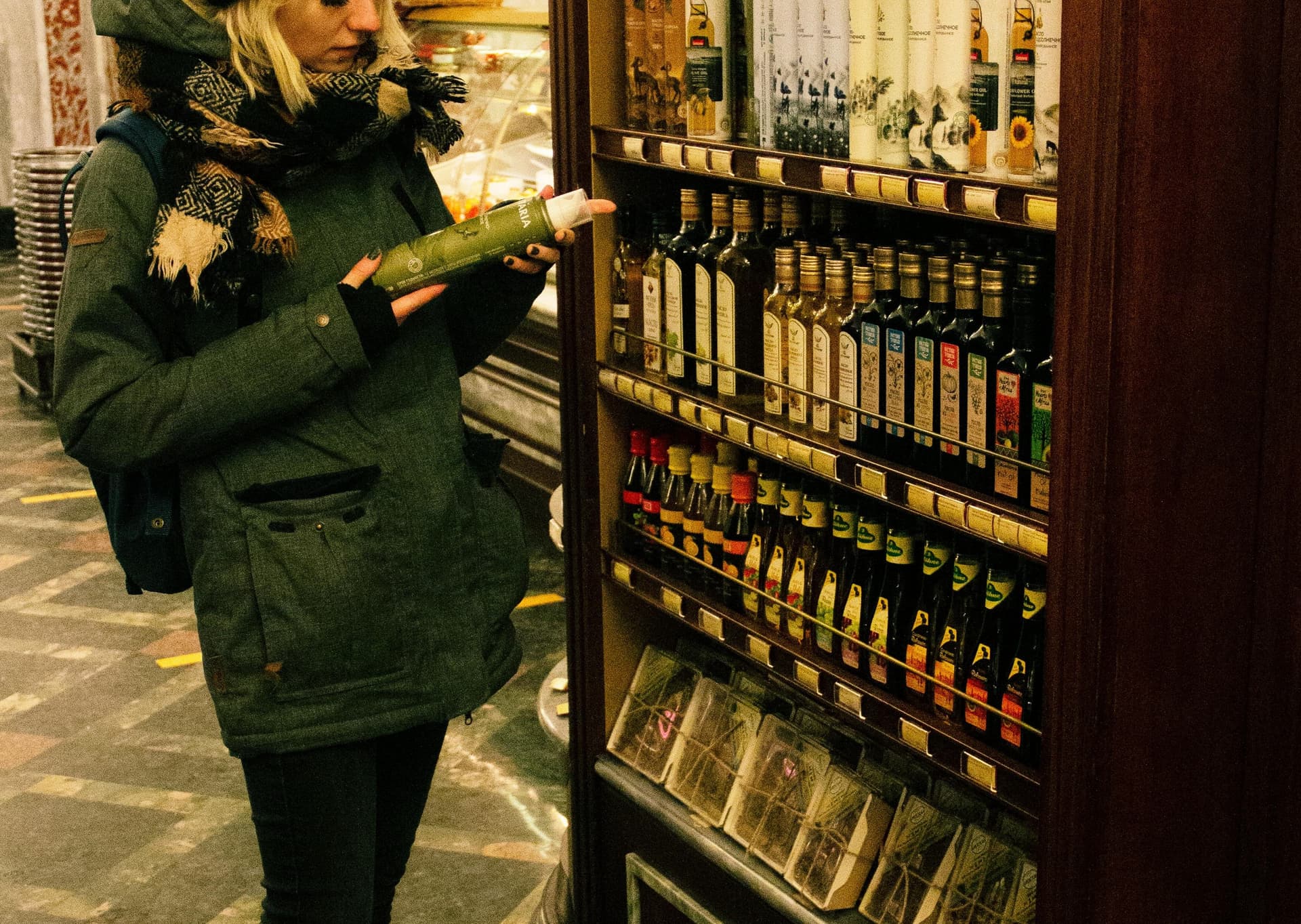

The standard Greek diet, with calamari and moussakas being the MVPs of every summer in Greece, is indeed a cultural staple that every traveler should experience while visiting the country. However, there are so many more dishes to discover that can introduce you to the country's rich and multifaceted identity. As food and local cuisine both serve as opportunities for storytelling, it is worth exploring each region through its recipes. Local tavernas, neighborhood bakeries and farmers' markets often reveal a far more authentic side of Greek food culture than highly touristic restaurants. So let's explore together why, this time, it might be worth deviating from the stereotypical "tourist menu." Of course, food also serves as a powerful marketing tool, and many iconic Greek dishes have become attractions in their own right, but they only represent a small part of Greece's complicated culinary story and the respective cultural background.
Local recipes show seasonality and product availability
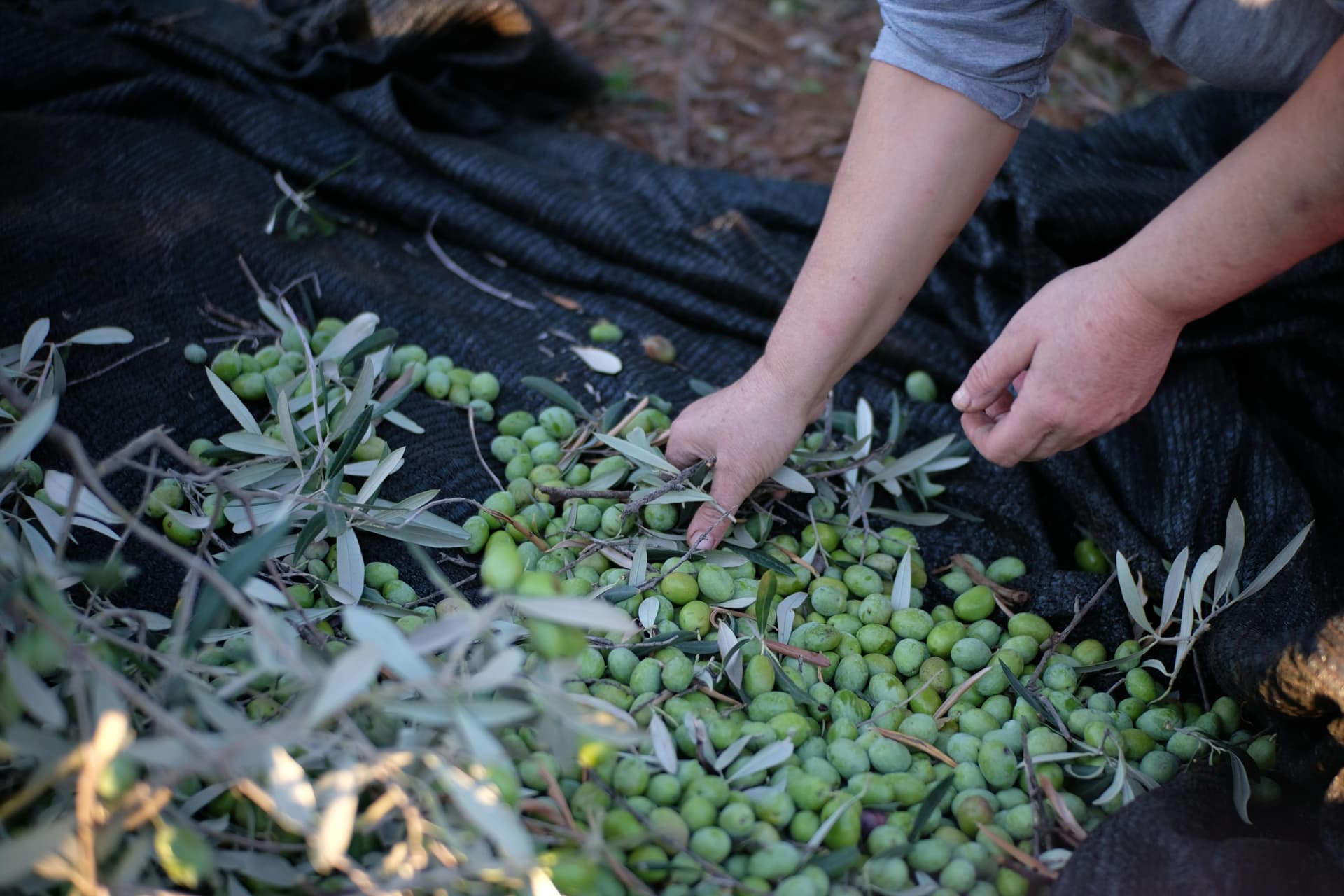
As Greece is characterized by high biodiversity and a variety of ecosystems and native species, this rich natural environment has shaped the country's gastronomy for centuries. Traditional Greek cuisine was never built around recipes alone, it was built around what the land could offer at any given moment of the year. Seasonal eating wasn't a lifestyle choice, it was simply a way of life as each time of the year was connected to diverse fresh produce, dairy products and more. Spring brought wild herbs and fresh greens, summer offered tomatoes, figs and vegetables ripened under the Mediterranean sun, the start of autumn marked the harvest of grapes and later olives, while winter tables were filled with legumes, leafy greens and slow-cooked dishes that provided warmth during the cold weather. In contrast to this traditional eating regime, modern agriculture and global supply chains have made many ingredients available all year-round. However, the best local producers still work in harmony with nature's calendar, letting their products reflect the season, the climate and the unique characteristics of each region they grow in.
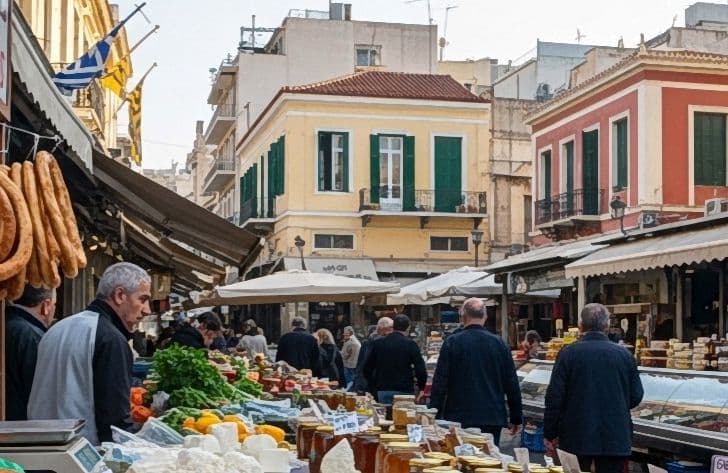
One of the easiest ways to understand this rhythm (even in an urban landscape) is by visiting a local farmers' market. The produce on display offers an authentic snapshot of what the land is giving at that particular time of year. Melons, watermelons and peaches are only to be found during the summer months, while oranges, cabbages and lettuce are mostly sold from December to February. This is why travelling through Greece in different seasons can feel like discovering a completely different culinary destination. A table filled with fresh wild greens, zucchini flowers and herbs in Ikaria during the heat of July offers an entirely different experience from sitting in a mountain village in Pelion in January, sharing slow-cooked meat dishes and freshly baked traditional pies next to a fireplace. Both meals are unmistakably Greek, but each tells the story of a different landscape, a different season and a different way of life.
Gastronomy represents the cultural and social difficulties that people have faced
At the same time many traditional Greek recipes were born from the need to make the most of limited ingredients and help people survive during times of actual hardship. Foods such as snails, chickpeas, carob and wild greens became essential sources of nourishment during periods of war, occupation and economic oppression. The geography and climate of the country also played a significant role. Cold mountain winters, hot and dry summers, and periods of water scarcity shaped what people could grow, harvest and store. As a result, family recipes often reflect historical events, local occupations and the natural environment of each region. More than just meals, these dishes became a way of preserving culture, identity and tradition through some of the country's most challenging times.
In addition to that, preservation techniques such as drying, pickling, salting and curing also became deeply rooted in Greek culinary traditions. Long before refrigerators and freezers became common and available, communities relied on these methods to preserve seasonal produce and ensure they had food throughout the year. Homemade marmalades, pickled vegetables, cured meats and preserved fruits were not simply pantry staples, they were necessities. Rather than leading to waste, restricted resources lead to families often raising their own goats, sheep and pigs and every part of the animal was used including the skin, head and organs. This was the birth of the famous mageiritsa soup, kokoretsi and other organ-based recipes that might seem weird to an international guest even though they are still enjoyed today in Greece.
Food is highly connected to rituals and other social activities and gatherings, such as marriages and religious feasts.
In Greece, food is deeply connected to rituals, traditions and social gatherings. Since ancient times, meals in Greece were rarely just about nourishment, they are about bringing people together and strengthening community ties. Whether it's a simple Sunday lunch with the family or a village gathering that lasts until the early morning hours, sharing food has always been at the heart of Greek culture.
Religious traditions have also shaped the country's culinary identity. Periods of fasting throughout the year influence what people cook and eat, while feast days are marked by abundant tables filled with dishes that have been prepared for generations. Food also plays a central role in life's biggest celebrations. Wedding feasts are filled with dishes and sweets that symbolize a fruitful life and good fortune for the newly married couple. Village festivals (the so-called panigyria) that are mostly dedicated to local saints bring communities together around food that is easy to prepare and serve outdoors such as pork skewers (the famous “kalamakia”), sausages and more, all accompanied by Tsipouro and other spirits. Finally, harvest celebrations showcase the season's freshest ingredients through olive oil-based dishes, homemade pies, salads, local cheeses and generous sharing platters.
Likewise, traditional Christmas and Orthodox Easter sweets such as melomakarona and tsoureki reflect both symbolism and practicality, combining ingredients that were readily available with wishes for prosperity, fertility, abundance and good luck in the year ahead and also acted as a “ tasty prize” for the long religious fasting period that people had to go through in the prior weeks.
Cuisine habits show the connection with other neighboring countries and the respective imports and cultural exchanges
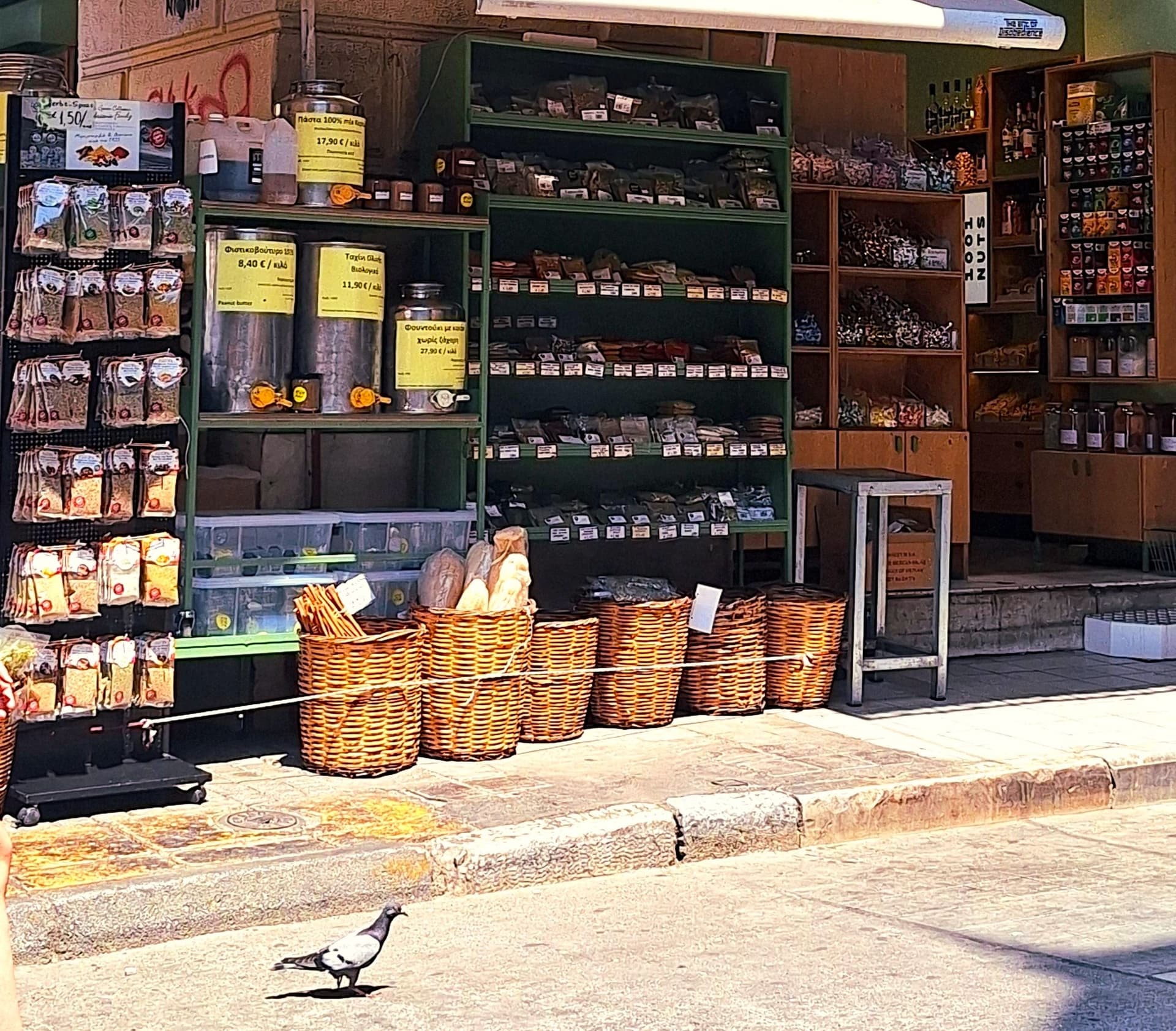
Greece has always stood at the crossroads of Europe, Asia and Africa, making its cuisine a reflection of centuries of movement, trade and cultural exchange. Even since Antiquity, ancient Greek races were keen to import, bringing different ingredients from abroad to combine with other endemic ones. Every empire, migration and trading route that passed through the region left behind ingredients, techniques and recipes that gradually became part of the country's culinary identity.
For example, the Ottoman period introduced the widespread use of spices, fragrant syrups, butter-rich pastries and desserts that continue to define many traditional Greek sweets today. Venetian influence, particularly in the Ionian Islands and Crete, left its mark on both local recipes and cooking techniques, while the population exchange between Greece and Asia Minor in the early 20th century brought entirely new flavors, ingredients and culinary traditions that transformed urban gastronomy. Trade routes across the Mediterranean introduced further products except for spices, like coffee, cocoa and other ingredients that gradually found their place in everyday Greek cooking and meal sharing. At the same time, the country's extensive coastline and island communities shaped a rich maritime food culture, where generations of fishermen, sailors and captains developed recipes centered around the daily catch of the sea.
This process of cultural exchange has never truly stopped as migration continues to reshape the food culture of Greece's cities, particularly Athens, where neighborhoods reflect the histories of the communities that settled there. Exploring different districts often means discovering entirely different culinary traditions, each offering another chapter in the story of the city and the people who have called it home.
Each sublocation of Athens offers a different gastronomical face connected to the minorities that live there and other socioeconomic characteristics
One of the best ways for you to understand Athens (and especially the city center) is to explore it neighborhood by neighborhood. Each area has developed its own food identity, shaped by its history, communities and the people who have been calling it home.
Let me mention a few examples: for instance, Psyrri blends old and new. Once known as Athens' artisan district, today it is home to traditional tavernas that sit comfortably alongside contemporary restaurants and innovative gastronomy concepts, creating a fascinating mix of heritage and creativity. Exarchia offers a different perspective. Its independent cafés, international influences and thriving vegetarian and alternative food scene reflect the neighborhood's creative and progressive character as this neighborhood is highly connected to political events and struggles. Kypseli is one of the city's most multicultural districts. Here, African, Middle Eastern and Asian cuisines exist alongside long-established Greek pastry shops and family businesses, showcasing how migration continues to shape Athens' culinary landscape even today. On the other hand, Monastiraki and Plaka represent the Athens that most visitors first encounter. While they offer many of the city's iconic dishes, they also provide an interesting opportunity to compare the classic tourist dining experience with the neighborhood-focused gastronomy found elsewhere in the city.
Finally, no exploration of Athens' food culture is complete without a visit to the Central Municipal Market (the so-called Varvakios Agora). This is where the city's food system comes to life. Producers, fishermen, butchers, spice and nut merchants work side by side, while locals shop for the freshest ingredients of the day. More than a market, it is a living snapshot of Athens' everyday food culture and a reminder that every meal begins long before it reaches the table.
To sum up, before you visit Greece, take a moment to rethink how you'll experience its food. Instead of simply asking, "What's the best restaurant?", ask yourself: What grows here? Who cooks here? What stories does this dish carry? Who brought this recipe to the city? The more curious you become about what is on your plate, the more you'll discover about the people, traditions and history that shaped it. Food is far more than something you consume while travelling,it's one of the most honest and accessible ways to understand a city, its culture and the lives of the people who call it home.